


Items filtered by date: February 2025
Facts About Children’s Foot Development
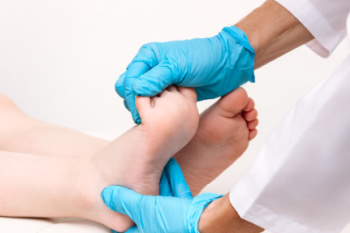
Most children are born with flat feet, as their arches develop gradually over time. During early walking stages, walking barefoot helps improve balance, coordination, and posture by allowing natural foot movement. When it is time for shoes, choose soft, flexible soles that mimic barefoot walking and provide enough room for growing toes. Stiff, restrictive shoes can hinder development. Parents should watch for signs of foot problems, including frequent tripping, limping, excessive toe-walking, or one foot turning inward or outward. Persistent pain, swelling, or difficulty keeping up with peers may indicate an underlying issue. While some concerns resolve as children grow, others may require professional evaluation. If something seems off, it is suggested that you schedule an appointment with a podiatrist who can assess your foot development, provide guidance on proper footwear, and address potential problems early.
Making sure that your children maintain good foot health is very important as they grow. If you have any questions, contact Joseph M. LaCava, DPM of Arkansas. Our doctor can provide the care you need to keep you pain-free and on your feet.
Keeping Children's Feet Healthy
Having healthy feet during childhood can help prevent medical problems later in life, namely in the back and legs. As children grow, their feet require different types of care. Here are some things to consider...
Although babies do not walk yet, it is still very important to take care of their feet.
Avoid putting tight shoes or socks on his or her feet.
Allow the baby to stretch and kick his or her feet to feel comfortable.
As a toddler, kids are now on the move and begin to develop differently. At this age, toddlers are getting a feel for walking, so don’t be alarmed if your toddler is unsteady or ‘walks funny’.
As your child gets older, it is important to teach them how to take care of their feet.
Show them proper hygiene to prevent infections such as fungus.
Be watchful for any pain or injury.
Have all injuries checked by a doctor as soon as possible.
Comfortable, protective shoes should always be worn, especially at play.
If you have any questions, please feel free to contact our office located in Hot Springs, AR . We offer the newest diagnostic and treatment technologies for all your foot care needs.
Custom Orthotics Provide Relief From Heel Pain

Experiencing persistent heel pain? Custom Orthotics might be your solution. These custom-designed shoe inserts adapt to your unique foot structure, optimizing support and alleviating discomfort. By redistributing pressure, they can significantly reduce heel pain, enhancing your daily mobility. Dive into a pain-free lifestyle and elevate your walking experience. Curious about the benefits of Custom Orthotics?
Contact our office today.
Causes and Prevention of Blisters From Running
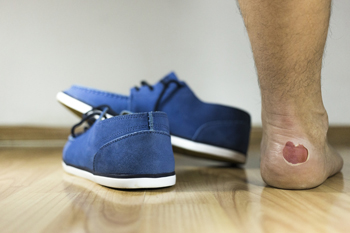
Blisters are common injuries for runners, often caused by friction between the skin and footwear or socks. When a runner's feet move within shoes that do not fit properly or are made of materials that rub against the skin, the skin layer becomes irritated, resulting in a fluid-filled bubble. Several factors contribute to blister formation, including moisture, prolonged pressure, and wearing poorly-fitting shoes. The friction intensifies with sweat, causing the skin to become more vulnerable. In addition to uncomfortable shoes, wearing socks made from cotton rather than moisture-wicking materials can increase the risk of blisters. To prevent blisters while running, it is important to choose well-fitting shoes and wear socks that keep feet dry. Taking care to check for any areas of irritation during runs can also help in preventing painful blisters. If you have a foot blister that is bothersome or has become painful, it is suggested that you consult a podiatrist who can offer effective relief and prevention methods.
Blisters are prone to making everyday activities extremely uncomfortable. If your feet are hurting, contact Joseph M. LaCava, DPM of Arkansas. Our doctor can provide the care you need to keep you pain-free and on your feet.
Foot Blisters
Foot blisters develop as a result of constantly wearing tight or ill-fitting footwear. This happens due to the constant rubbing from the shoe, which can often lead to pain.
What Are Foot Blisters?
A foot blister is a small fluid-filled pocket that forms on the upper-most layer of the skin. Blisters are filled with clear fluid and can lead to blood drainage or pus if the area becomes infected.
How Do Blisters Form?
Blisters on the feet are often the result of constant friction of skin and material, usually by shoe rubbing. Walking in sandals, boots, or shoes that don’t fit properly for long periods of time can result in a blister. Having consistent foot moisture and humidity can easily lead to blister formation.
Prevention & Treatment
It is important to properly care for the affected area in order to prevent infection and ease the pain. Do not lance the blister and use a Band-Aid to provide pain relief. Also, be sure to keep your feet dry and wear proper fitting shoes. If you see blood or pus in a blister, seek assistance from a podiatrist.
If you have any questions, please feel free to contact our office located in Hot Springs, AR . We offer the newest diagnostic and treatment technologies for all your foot care needs.
Custom Orthotics May Help Arthritis Sufferers
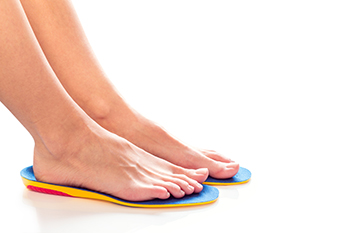
Arthritis, whether osteoarthritis or rheumatoid arthritis, can cause debilitating foot pain, stiffness, and instability. Custom orthotics provide targeted support, reducing joint stress and improving mobility. For OA, orthotics help redistribute pressure, cushion arthritic joints, and reduce wear on cartilage. They also correct biomechanical issues and prevent further joint damage. RA sufferers benefit from shock absorption and enhanced stability, minimizing pain caused by inflammation and deformities. Custom inserts can also alleviate pressure points, reducing the risk of calluses and ulcers. Unlike over-the-counter insoles, custom orthotics are tailored to individual foot structures, ensuring optimal alignment and comfort. They can be designed to accommodate swollen or misshapen joints, making walking less painful and more efficient. Whether you struggle with aching knees, hips, or feet due to arthritis, custom orthotics offer a non-invasive solution to improve daily movement. If your arthritis causes foot or ankle pain, it is suggested that you schedule an appointment with a podiatrist to discuss whether custom orthotics might help you.
Custom orthotics are specialized shoe inserts created to support and align the feet according to each person’s unique structure and walking pattern. They are an effective way to relieve foot discomfort caused by conditions such as flat feet, high arches, plantar fasciitis, bunions, and heel pain. When the natural alignment of the foot is off balance, it can lead to pressure points, strain, and pain that affect how a person stands, walks, and moves. Orthotics work by redistributing weight evenly and supporting the arch to reduce stress on the muscles, tendons, and joints of the feet and lower legs.
Foot discomfort can develop for many reasons, including wearing improper footwear, long hours of standing, repetitive motion, or underlying structural problems. Over time, this discomfort can extend beyond the feet, contributing to knee, hip, or lower back pain. Custom orthotics help correct these issues by improving alignment and promoting more efficient movement. They are made using precise measurements and imaging to ensure the best fit for each patient, providing targeted support and cushioning where it is needed most.
Unlike generic insoles, custom orthotics are durable, medically designed, and tailored to your specific needs. Whether you are managing chronic pain, recovering from an injury, or simply seeking better comfort and stability, orthotics can make a noticeable difference in how your feet feel throughout the day.
If you are experiencing persistent foot discomfort or fatigue, it may be time to have your feet evaluated by a podiatrist. Call our office today for more information or to schedule an appointment.
If you have any questions, please feel free to contact our office located in Hot Springs, AR .
See Your Foot Specialist Regularly If You Work On Your Feet

Do you work on your feet all day and find your feet in pain? Don't go to work in pain each day. Your foot pain can be treated, and we can help.
Symptoms and Causes of Plantar Fasciitis
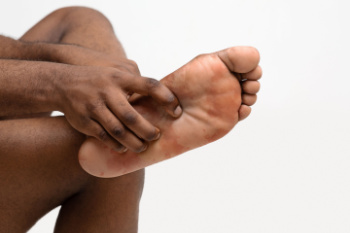
Plantar fasciitis occurs when the thick band of tissue that connects the heel to the toes becomes inflamed. This often leads to sharp or dull pain under the heel, especially in the morning or after standing for long periods of time. Causes of plantar fasciitis include wearing unsupportive footwear, sudden weight gain, prolonged standing, or tight calf muscles. People with flat feet or high arches may be at a higher risk. To manage symptoms of plantar fasciitis, a podiatrist may recommend targeted exercises to stretch and strengthen the foot and ankle. Simple stretches, such as pulling the toes upward to stretch the plantar fascia or performing calf stretches, can improve flexibility and reduce tension. Strengthening exercises, like picking up small objects with the toes, may help improve foot stability. A podiatrist can examine your foot and prescribe orthotics or suggest footwear adjustments to alleviate stress on the plantar fascia. If you are experiencing heel pain, it is suggested that you schedule an appointment with a podiatrist for a diagnosis and treatment options.
Plantar fasciitis is a common foot condition that is often caused by a strain injury. If you are experiencing heel pain or symptoms of plantar fasciitis, contact Joseph M. LaCava, DPM from Arkansas. Our doctor can provide the care you need to keep you pain-free and on your feet.
What Is Plantar Fasciitis?
Plantar fasciitis is one of the most common causes of heel pain. The plantar fascia is a ligament that connects your heel to the front of your foot. When this ligament becomes inflamed, plantar fasciitis is the result. If you have plantar fasciitis you will have a stabbing pain that usually occurs with your first steps in the morning. As the day progresses and you walk around more, this pain will start to disappear, but it will return after long periods of standing or sitting.
What Causes Plantar Fasciitis?
- Excessive running
- Having high arches in your feet
- Other foot issues such as flat feet
- Pregnancy (due to the sudden weight gain)
- Being on your feet very often
There are some risk factors that may make you more likely to develop plantar fasciitis compared to others. The condition most commonly affects adults between the ages of 40 and 60. It also tends to affect people who are obese because the extra pounds result in extra stress being placed on the plantar fascia.
Prevention
- Take good care of your feet – Wear shoes that have good arch support and heel cushioning.
- Maintain a healthy weight
- If you are a runner, alternate running with other sports that won’t cause heel pain
There are a variety of treatment options available for plantar fasciitis along with the pain that accompanies it. Additionally, physical therapy is a very important component in the treatment process. It is important that you meet with your podiatrist to determine which treatment option is best for you.
If you have any questions, please feel free to contact our office located in Hot Springs, AR . We offer the newest diagnostic and treatment technologies for all your foot care needs.
Foot-Related Complications From Diabetes
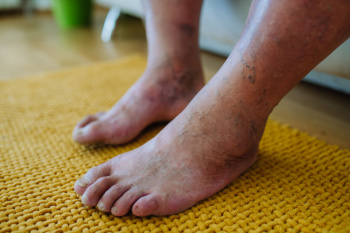
Diabetes can cause serious complications in the feet, toes, and ankles, especially if blood sugar levels are not well managed. Nerve damage, known as diabetic neuropathy, can lead to numbness or tingling, making it harder to notice injuries like cuts or blisters. Poor circulation, another common issue, reduces the blood flow to the lower limbs needed for healing, increasing the risk of ulcers or infections. Foot deformities, such as claw toes or changes in the arches, can create pressure points that increase the likelihood of injury. Without proper care, complications like deep infections or even gangrene may develop, sometimes resulting in limb loss if ignored. Regular foot exams and early detection of foot problems are vital for preventing these outcomes. A podiatrist can help by monitoring blood flow, nerve function, and skin health, as well as addressing issues such as ulcers, deformities, or poor footwear choices. If you have foot problems resulting from diabetes, it is suggested that you schedule regular appointments with a podiatrist who can to help manage them.
Diabetic foot care is important in preventing foot ailments such as ulcers. If you are suffering from diabetes or have any other concerns about your feet, contact Joseph M. LaCava, DPM from Arkansas. Our doctor can provide the care you need to keep you pain-free and on your feet.
Diabetic Foot Care
Diabetes affects millions of people every year. The condition can damage blood vessels in many parts of the body, especially the feet. Because of this, taking care of your feet is essential if you have diabetes, and having a podiatrist help monitor your foot health is highly recommended.
The Importance of Caring for Your Feet
- Routinely inspect your feet for bruises or sores.
- Wear socks that fit your feet comfortably.
- Wear comfortable shoes that provide adequate support.
Patients with diabetes should have their doctor monitor their blood levels, as blood sugar levels play such a huge role in diabetic care. Monitoring these levels on a regular basis is highly advised.
It is always best to inform your healthcare professional of any concerns you may have regarding your feet, especially for diabetic patients. Early treatment and routine foot examinations are keys to maintaining proper health, especially because severe complications can arise if proper treatment is not applied.
If you have any questions, please feel free to contact our office located in Hot Springs, AR . We offer the newest diagnostic and treatment technologies for all your foot care needs.
