Items filtered by date: January 2026
Factors That Lead to Ingrown Toenails

Ingrown toenails develop when several risk factors come together over time. Improper trimming is a common cause, especially when nails are cut too short or rounded at the corners. Wearing tight shoes or with narrow toe boxes place repeated pressure on the nail edges and surrounding skin. Repetitive activities such as running or long periods of standing can worsen this pressure. Toe injuries, even minor ones, may change how the nail grows. Some people have naturally curved or thick nails that are more likely to press into the skin. Excessive sweating softens the skin, making it easier for the nail to break through. Poor foot hygiene and limited vision or flexibility can also contribute by making nail care difficult. Early awareness matters because inflammation and infection can develop quickly. If toenail pain, redness, or swelling appears, it is suggested that you see a podiatrist for an evaluation and appropriate treatment.
Ingrown toenails can become painful if they are not treated properly. For more information about ingrown toenails, contact Joseph M. LaCava, DPM of Arkansas. Our doctor can provide the care you need to keep you pain-free and on your feet.
Ingrown Toenails
Ingrown toenails occur when a toenail grows sideways into the bed of the nail, causing pain, swelling, and possibly infection.
Causes
- Bacterial infections
- Improper nail cutting such as cutting it too short or not straight across
- Trauma to the toe, such as stubbing, which causes the nail to grow back irregularly
- Ill-fitting shoes that bunch the toes too close together
- Genetic predisposition
Prevention
Wearing proper fitting shoes and using proper cutting techniques will also help decrease your risk of developing ingrown toenails.
Treatment
Ingrown toenails are a very treatable foot condition. In minor cases, soaking the affected area in salt or antibacterial soaps will not only help with the ingrown nail itself, but also help prevent any infections from occurring. In more severe cases, surgery is an option. In either case, speaking to your podiatrist about this condition will help you get a better understanding of specific treatment options that are right for you.
If you have any questions, please feel free to contact our office located in Hot Springs, AR . We offer the newest diagnostic and treatment technologies for all your foot care needs.
Bunions and Podiatric Care

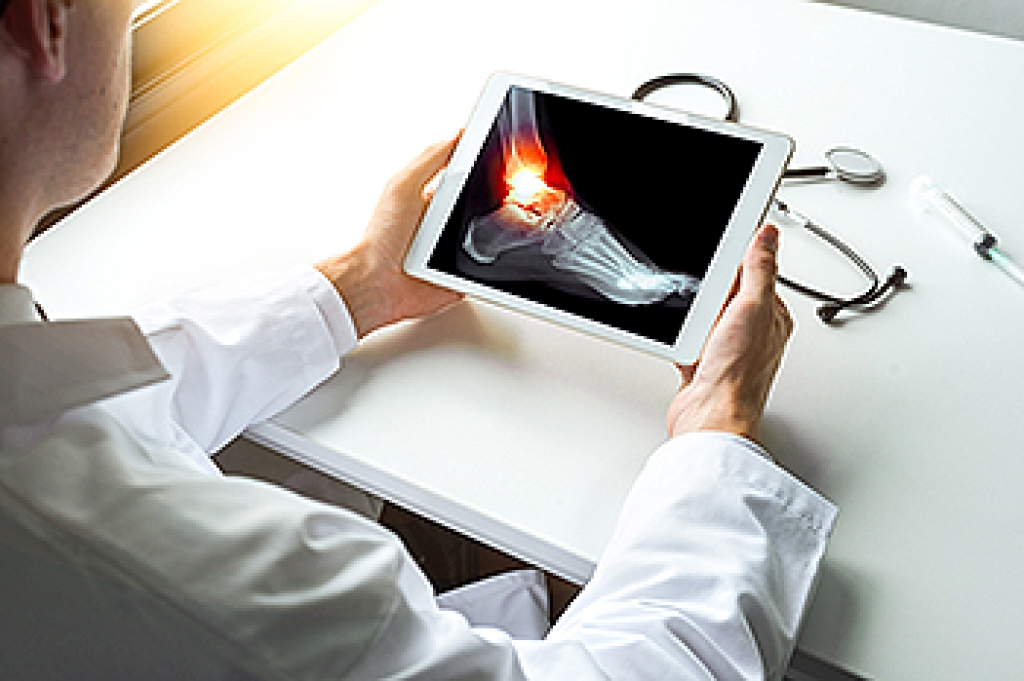
A bunion is a bony area that develops at the base of the big toe when the joint becomes misaligned. This condition causes the big toe to shift toward the smaller toes, leading to visible deformity and discomfort. Risk factors include genetics, wearing improper footwear, foot structure, and repetitive stress on the forefoot. Common symptoms include pain and soreness around the joint, numbness or burning sensations, redness, and swelling. Many people notice a painful bump at the base of the affected toe that worsens with walking or wearing tight shoes. A podiatrist can help by evaluating foot alignment and determining the severity of the bunion. Treatment options may include footwear recommendations, padding, orthotics, and pain management strategies. If bunion pain or irritation is affecting your mobility or quality of life, it is suggested that you consult a podiatrist who can offer effective relief and treatment solutions.
If you are suffering from bunion pain, contact Joseph M. LaCava, DPM of Arkansas. Our doctor can provide the care you need to keep you pain-free and on your feet.
What Is a Bunion?
Bunions are painful bony bumps that usually develop on the inside of the foot at the joint of the big toe. As the deformity increases over time, it may become painful to walk and wear shoes. Women are more likely to exacerbate existing bunions since they often wear tight, narrow shoes that shift their toes together. Bunion pain can be relieved by wearing wider shoes with enough room for the toes.
Causes
- Genetics – some people inherit feet that are more prone to bunion development
- Inflammatory Conditions - rheumatoid arthritis and polio may cause bunion development
Symptoms
- Redness and inflammation
- Pain and tenderness
- Callus or corns on the bump
- Restricted motion in the big toe
In order to diagnose your bunion, your podiatrist may ask about your medical history, symptoms, and general health. Your doctor might also order an x-ray to take a closer look at your feet. Nonsurgical treatment options include orthotics, padding, icing, changes in footwear, and medication. If nonsurgical treatments don’t alleviate your bunion pain, surgery may be necessary.
If you have any questions, please feel free to contact our office located in Hot Springs, AR . We offer the newest diagnostic and treatment technologies for all your foot care needs.
Custom Orthotics For Outdoor Activity

Embrace the great outdoors with confidence and comfort! Whether you're hiking, jogging, or exploring nature, Custom Orthotics are your perfect companion. Tailored to your foot's unique needs, they provide stability on uneven terrains and cushioning for those longer adventures. Don't let foot discomfort limit your outdoor experiences. With Custom Orthotics, every step is supported and secure. Call today to schedule an appointment.
Cuboid Syndrome and Foot Function

Cuboid syndrome is a condition that occurs when the cuboid bone in the mid-foot becomes partially displaced or moves improperly, leading to pain and instability along the outer side of the foot. The cuboid bone plays a vital role in foot structure by supporting the arch and assisting with proper weight distribution during walking and standing. When this bone is not functioning correctly, symptoms may include lateral foot pain, tenderness, swelling, weakness and difficulty bearing weight. Pain often worsens with activity and may feel similar to an ankle sprain. A podiatrist can accurately diagnose cuboid syndrome through a thorough examination and targeted imaging, when needed. Treatment may include manual realignment, supportive taping, custom orthotics and rehabilitation exercises to restore long-term stability. If you have pain in this part of your foot, it is suggested that you consult a podiatrist who can accurately diagnose and treat what may be going on.
Cuboid syndrome, also known as cuboid subluxation, occurs when the joints and ligaments near the cuboid bone in the foot become torn. If you have cuboid syndrome, consult with Joseph M. LaCava, DPM from Arkansas. Our doctor will assess your condition and provide you with quality foot and ankle treatment.
Cuboid syndrome is a common cause of lateral foot pain, which is pain on the outside of the foot. The condition may happen suddenly due to an ankle sprain, or it may develop slowly overtime from repetitive tension through the bone and surrounding structures.
Causes
The most common causes of cuboid syndrome include:
- Injury – The most common cause of this ailment is an ankle sprain.
- Repetitive Strain – Tension placed through the peroneus longus muscle from repetitive activities such as jumping and running may cause excessive traction on the bone causing it to sublux.
- Altered Foot Biomechanics – Most people suffering from cuboid subluxation have flat feet.
Symptoms
A common symptom of cuboid syndrome is pain along the outside of the foot which can be felt in the ankle and toes. This pain may create walking difficulties and may cause those with the condition to walk with a limp.
Diagnosis
Diagnosis of cuboid syndrome is often difficult, and it is often misdiagnosed. X-rays, MRIs and CT scans often fail to properly show the cuboid subluxation. Although there isn’t a specific test used to diagnose cuboid syndrome, your podiatrist will usually check if pain is felt while pressing firmly on the cuboid bone of your foot.
Treatment
Just as the range of causes varies widely, so do treatments. Some more common treatments are ice therapy, rest, exercise, taping, and orthotics.
If you have any questions, please feel free to contact our office located in Hot Springs, AR . We offer the newest diagnostic and treatment technologies for all your foot care needs.
Arthritis Can Cause Pain in the Feet and Ankles
How Custom Orthotics Support Better Foot Health

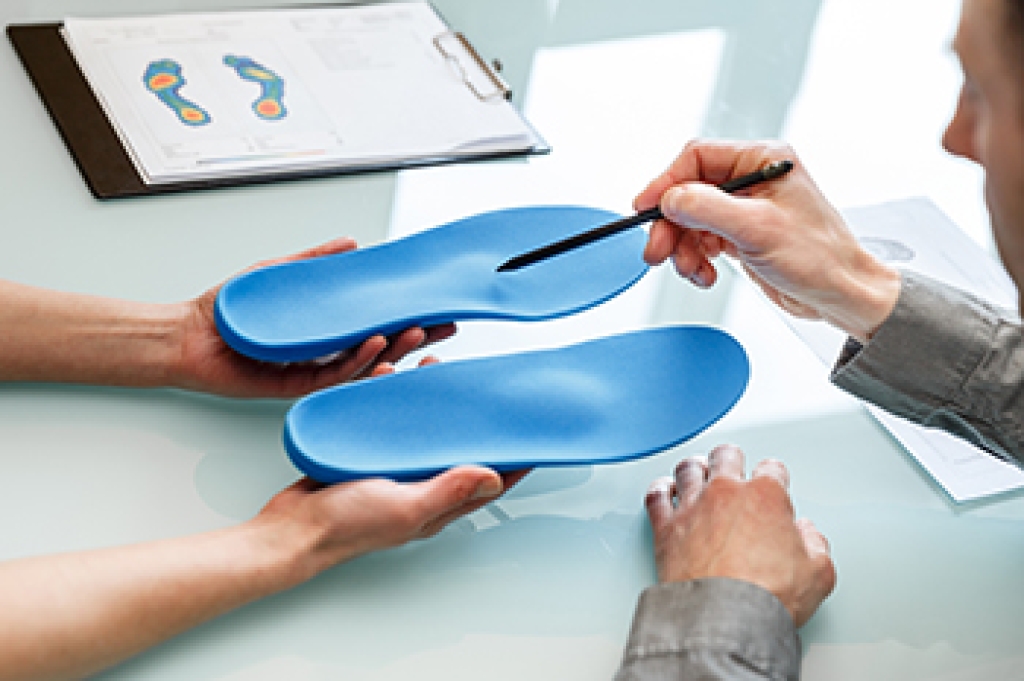
Custom orthotics offer a sophisticated intervention that supports the unique structure and mechanics of an individual’s feet. These devices are engineered to distribute weight evenly, reduce abnormal stress on joints, and stabilize alignment during the gait cycle. In conditions like flat feet, high arches, heel pain, tendon irritation, or joint discomfort, orthotics can diminish concentrated pressure, protect soft tissues, and help normalize foot motion. Because they are molded from precise measurements or scans of the foot, they achieve a level of specificity beyond generic insoles. Over time, orthotics may reduce pain and fatigue in the feet, ankles, knees, or lower back by promoting balance and symmetry. As a long-term supportive option within a comprehensive podiatric treatment plan, custom orthotics can improve function and comfort. If you are interested in learning more about how custom orthotics can benefit you, it is suggested that you schedule an appointment with a podiatrist.
Custom orthotics are specialized shoe inserts created to support and align the feet according to each person’s unique structure and walking pattern. They are an effective way to relieve foot discomfort caused by conditions such as flat feet, high arches, plantar fasciitis, bunions, and heel pain. When the natural alignment of the foot is off balance, it can lead to pressure points, strain, and pain that affect how a person stands, walks, and moves. Orthotics work by redistributing weight evenly and supporting the arch to reduce stress on the muscles, tendons, and joints of the feet and lower legs.
Foot discomfort can develop for many reasons, including wearing improper footwear, long hours of standing, repetitive motion, or underlying structural problems. Over time, this discomfort can extend beyond the feet, contributing to knee, hip, or lower back pain. Custom orthotics help correct these issues by improving alignment and promoting more efficient movement. They are made using precise measurements and imaging to ensure the best fit for each patient, providing targeted support and cushioning where it is needed most.
Unlike generic insoles, custom orthotics are durable, medically designed, and tailored to your specific needs. Whether you are managing chronic pain, recovering from an injury, or simply seeking better comfort and stability, orthotics can make a noticeable difference in how your feet feel throughout the day.
If you are experiencing persistent foot discomfort or fatigue, it may be time to have your feet evaluated by a podiatrist. Call our office today for more information or to schedule an appointment.
If you have any questions, please feel free to contact our office located in Hot Springs, AR .
Achieving the Perfect Fit in Running Shoes

Getting a great fit in running shoes is essential for comfort, performance, and injury prevention. Proper toe fit allows toes to move freely without rubbing or crowding, reducing the risk of blisters and nail issues. Midfoot fit ensures the shoe supports the arch and prevents slipping, while a secure heel fit stabilizes the foot and minimizes friction that can lead to discomfort or injury. Shoe size and shape should match your foot structure and running style. A podiatrist can help by evaluating foot mechanics, identifying pressure points, recommending appropriate footwear, and suggesting custom orthotics, if needed. If running causes foot pain, discomfort, or frequent injuries, it is suggested that you consult a podiatrist who can treat various foot conditions, and provide additional guidance on how to choose shoes that fit properly.
Getting the right shoe size is an important part of proper foot health. Seek the assistance of Joseph M. LaCava, DPM from Arkansas. Our doctor will provide the care you need to keep you pain-free and on your feet.
Getting the Right Shoe Size
There are many people who wear shoes that are the incorrect size, negatively affecting their feet and posture. Selecting the right shoes is not a difficult process, so long as you keep several things in mind when it comes to choosing the right pair.
- When visiting the shoe store, use the tools available to measure your foot.
- Be sure there is ‘wiggle room’. There should be about an inch between your toes and the tip of your shoes.
- Do not always assume you are the same size, as manufacturers run differently.
- Purchase shoes later in the day, as your feet swell as the day progresses.
- If a shoe is not comfortable, it is not suitable. Most shoes can’t be ‘broken in’, and comfort should be the ultimate goal when it comes to choosing the right pair of shoes
As our feet hold our body weight and keep us moving, it is important to treat them right. Picking the right pair of shoes can provide your feet comfort and mobility without pain.
If you have any questions, please feel free to contact our office located in Hot Springs, AR . We offer the newest diagnostic and treatment technologies for all your foot care needs.