Items filtered by date: December 2025
How Weight Loss Impacts Foot Structure and Health

Weight loss can have a significant effect on the structure and function of the feet. As body weight decreases, the stress on the arches, joints, and soft tissues of the feet is reduced, which can alleviate pain and improve mobility. Changes in weight can also alter gait and balance, affecting how the feet absorb shock and distribute pressure during walking or exercise. While these changes are often positive, they may also reveal underlying issues such as flat feet, bunions, or joint stiffness that were previously masked by excess weight. A podiatrist can evaluate your foot structure, recommend supportive footwear or custom orthotics, and guide exercises to maintain proper alignment. If you have foot discomfort during or after weight loss, it is suggested that you consult a podiatrist who can offer effective relief solutions.
Obesity has become very problematic at this point in time and can have extremely negative effects on the feet. If you’re an obese individual and are concerned about your feet, contact Joseph M. LaCava, DPM from Arkansas. Our doctor can provide the care you need to keep you pain-free and on your feet.
Obesity and Your Feet
Since your feet are what support your entire weight when standing, any additional weight can result in pain and swelling. Being overweight is one of the main contributors to foot complications.
Problems & Complications
Extra Weight – Even putting on just a few extra pounds could create serious complications for your feet. As your weight increases, your balance and body will shift, creating new stresses on your feet. This uneven weight distribution can cause pain, even while doing the simplest tasks, such as walking.
Diabetes – People who are overweight are at serious risk of developing type-2 diabetes, which has a drastic impact on the health of your feet. As you get older, your diabetes might worsen, which could lead to loss of feeling in your feet, sores, and bruises. You could also become more prone to various infections.
Plantar fasciitis – Pressure and stress that is placed on muscles, joints, and tendons can trigger plantar fasciitis, which is an inflammation of tissue that forms along the bottom of the foot.
If you have any questions, please feel free to contact our office located in Hot Springs, AR . We offer the newest diagnostic and treatment technologies for all your foot care needs.

When an Ankle Sprain Changes How You Move

An ankle sprain happens when the ligaments that support the joint stretch beyond their limit, often from a sudden twist, misstep, or uneven surface. Many people feel an immediate sharp pain followed by swelling, tenderness, or bruising around the outside of the ankle. Putting weight on the foot may become difficult, and the joint can feel unstable or weak. Even mild sprains can linger if they are ignored, leading to repeated injuries and long-term stiffness. Early care, including rest and proper support, helps the ligaments heal in a stable position and reduces the chance of chronic instability. Paying attention to discomfort during walking or exercise can prevent the injury from worsening. If ankle swelling, pain, or instability continues, it is suggested that you schedule an appointment with a podiatrist for a proper evaluation and guidance.
Although ankle sprains are common, they aren’t always minor injuries. If you need your ankle injury looked at, contact Joseph M. LaCava, DPM from Arkansas. Our doctor can provide the care you need to keep you pain-free and on your feet.
How Does an Ankle Sprain Occur?
Ankle sprains are the result of a tear in the ligaments within the ankle. These injuries may happen when you make a rapid shifting movement while your foot is planted. A less common way to sprain your ankle is when your ankle rolls inward while your foot turns outward.
What Are the Symptoms?
- Pain at the sight of the tear
- Bruising/Swelling
- Ankle area is tender to touch
- In severe cases, may hear/feel something tear
- Skin discoloration
Preventing a Sprain
- Wearing appropriate shoes for the occasion
- Stretching before exercises and sports
- Knowing your limits
Treatment of a Sprain
In many cases, the RICE method (Rest, Ice, Compression, and Elevate) is used to treat ankle sprains. However, you should see a podiatrist to see which treatment option would work best with your injury. In severe cases, surgery may be required.
It is important to ask your doctor about rehab options after you receive treatment for your injury. Stretching, strength training, and balance exercises may help the ankle heal while also preventing further injury.
If you have any questions, please feel free to contact our office located in Hot Springs, AR . We offer the newest diagnostic and treatment technologies for all your foot care needs.
Custom Orthotics For Foot and Heel Pain

Step into relief and reclaim your mobility! Foot and heel pain can be a thing of the past with the right Custom Orthotics. Customized to your unique foot structure, they provide the support and alignment needed to alleviate discomfort. Whether you're walking, running, or simply standing, Custom Orthotics ensure every step is cushioned and pain-free. Don't let foot ailments dictate your day. With Custom Orthotics, embrace a world of comfort and freedom. Call today to schedule an appointment.
Understanding Hairline Fractures in the Foot

A hairline fracture is a very small break in a bone that can cause significant discomfort, even though it may not be obvious at first. Many people notice a gradual increase in pain during walking or standing, especially after repetitive activity. Swelling, tenderness, and mild bruising may appear, and the discomfort often improves with rest but quickly returns with movement. These tiny cracks commonly develop from overuse, wearing improper footwear, or sudden increases in activity levels. Without early attention, the injury can worsen and interfere with mobility. Recognizing the signs promptly helps protect long-term foot health and supports a smoother recovery. If you notice persistent soreness, swelling, or pain that intensifies with activity, it is suggested that you schedule an appointment with a podiatrist for a proper diagnosis and appropriate treatment.
Activities where too much pressure is put on the feet can cause stress fractures. To learn more, contact Joseph M. LaCava, DPM from Arkansas. Our doctor can provide the care you need to keep your pain free and on your feet.
Dealing with Stress Fractures of the Foot and Ankle
Stress fractures occur in the foot and ankle when muscles in these areas weaken from too much or too little use. The feet and ankles then lose support when walking or running from the impact of the ground. Since there is no protection, the bones receive the full impact of each step. Stress on the feet can cause cracks to form in the bones, thus creating stress fractures.
What Are Stress Fractures?
Stress fractures occur frequently in individuals whose daily activities cause great impact on the feet and ankles. Stress factors are most common among:
- Runners
- People affected with Osteoporosis
- Tennis or basketball players
- Gymnasts
- High impact workouts
Symptoms
Pain from the fractures occur in the area of the fractures and can be constant or intermittent. It will often cause sharp or dull pain with swelling and tenderness. Engaging in any kind of activity which involves high impact will aggravate pain.
If you have any questions please contact our office located in Hot Springs, AR . We offer the newest diagnostic and treatment technologies for all your foot and ankle needs.
Are Bunions Affecting Your Everyday Life?
How Orthotics Improve Balance in Older Adults

Balance declines naturally with age, increasing the risk of falls and injuries. Orthotics provide essential support by improving foot alignment, stabilizing the ankles, and distributing pressure evenly across the feet. These benefits help older adults feel more secure when standing or walking, which encourages independence and confidence. A podiatrist can assess gait and posture, prescribe custom orthotics, and offer guidance on footwear and exercises to enhance stability. With proper support, older adults can move comfortably, reduce fatigue, and stay active. If you are a senior with foot pain or are experiencing balance issues or discomfort while walking, it is suggested that you consult a podiatrist who can treat various foot conditions, and further educate you on how orthotics can help to improve balance.
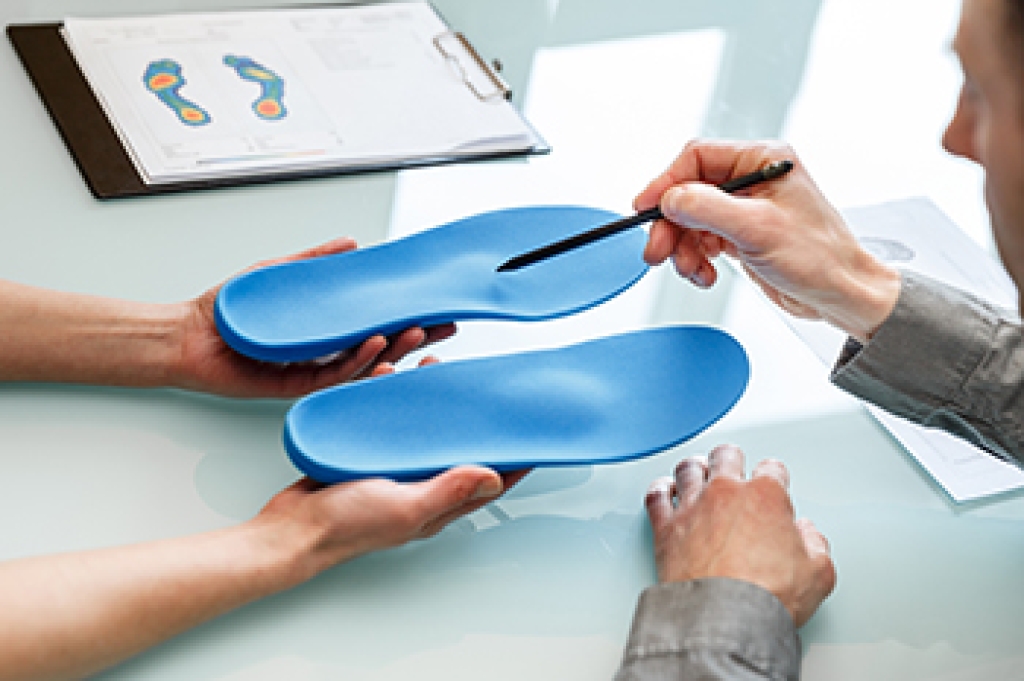
Custom orthotics are specialized shoe inserts created to support and align the feet according to each person’s unique structure and walking pattern. They are an effective way to relieve foot discomfort caused by conditions such as flat feet, high arches, plantar fasciitis, bunions, and heel pain. When the natural alignment of the foot is off balance, it can lead to pressure points, strain, and pain that affect how a person stands, walks, and moves. Orthotics work by redistributing weight evenly and supporting the arch to reduce stress on the muscles, tendons, and joints of the feet and lower legs.
Foot discomfort can develop for many reasons, including wearing improper footwear, long hours of standing, repetitive motion, or underlying structural problems. Over time, this discomfort can extend beyond the feet, contributing to knee, hip, or lower back pain. Custom orthotics help correct these issues by improving alignment and promoting more efficient movement. They are made using precise measurements and imaging to ensure the best fit for each patient, providing targeted support and cushioning where it is needed most.
Unlike generic insoles, custom orthotics are durable, medically designed, and tailored to your specific needs. Whether you are managing chronic pain, recovering from an injury, or simply seeking better comfort and stability, orthotics can make a noticeable difference in how your feet feel throughout the day.
If you are experiencing persistent foot discomfort or fatigue, it may be time to have your feet evaluated by a podiatrist. Call our office today for more information or to schedule an appointment.
If you have any questions, please feel free to contact our office located in Hot Springs, AR .
Causes of Foot Pain in the Morning

Morning foot pain can make getting out of bed uncomfortable and may signal an underlying issue in the feet or ankles. One frequent reason involves the plantar fascia, a thick band of tissue along the sole that tightens during rest. When stretched suddenly upon standing, it can cause sharp heel or arch pain. Arthritis is another cause, leading to stiff, inflamed joints that feel worse after inactivity. Reduced blood flow at night can also slow the removal of waste products like uric acid, causing aching or throbbing feet. Swelling and fluid buildup during rest may add to discomfort, especially in people who stand for long periods during the day. Wearing high heels, flip-flops, or tight shoes can place extra stress on tendons and joints, worsening morning stiffness. A podiatrist can identify the cause through an exam and imaging if needed. If you experience morning foot pain, it is suggested that you make an appointment with a podiatrist for a diagnosis and treatment.
Foot Pain
Foot pain can be extremely painful and debilitating. If you have a foot pain, consult with Joseph M. LaCava, DPM from Arkansas. Our doctor will assess your condition and provide you with quality foot and ankle treatment.
Causes
Foot pain is a very broad condition that could be caused by one or more ailments. The most common include:
- Bunions
- Hammertoes
- Plantar Fasciitis
- Bone Spurs
- Corns
- Tarsal Tunnel Syndrome
- Ingrown Toenails
- Arthritis (such as Gout, Rheumatoid, and Osteoarthritis)
- Flat Feet
- Injury (from stress fractures, broken toe, foot, ankle, Achilles tendon ruptures, and sprains)
- And more
Diagnosis
To figure out the cause of foot pain, podiatrists utilize several different methods. This can range from simple visual inspections and sensation tests to X-rays and MRI scans. Prior medical history, family medical history, and any recent physical traumatic events will all be taken into consideration for a proper diagnosis.
Treatment
Treatment depends upon the cause of the foot pain. Whether it is resting, staying off the foot, or having surgery; podiatrists have a number of treatment options available for foot pain.
If you have any questions, please feel free to contact our office located in Hot Springs, AR . We offer the newest diagnostic and treatment technologies for all your foot care needs.
The Painful Reality of Plantar Fasciitis

Plantar fasciitis, one of the most common causes of heel pain, can affect anyone. However, it is more frequent in runners, people who are overweight, and those who spend long hours on their feet. It occurs when the plantar fascia, a thick band of tissue that supports the arch of the foot, becomes inflamed due to overuse, poor footwear, or foot structure issues. The condition often causes sharp pain near the heel, especially with the first steps in the morning or after periods of rest. The foot may look normal but feel tender, tight, and sore when walking or standing. A podiatrist can help by diagnosing the condition through physical examination, gait analysis, and imaging if needed. Treatment options include stretching exercises, orthotic devices, supportive footwear, and other therapies to reduce pain and inflammation. It is suggested that you make an appointment with a podiatrist if heel pain is limiting your daily activities.
Plantar fasciitis can be very painful and inconvenient. If you are experiencing heel pain or symptoms of plantar fasciitis, contact Joseph M. LaCava, DPM from Arkansas. Our doctor can provide the care you need to keep you pain-free and on your feet.
What Is Plantar Fasciitis?
Plantar fasciitis is the inflammation of the thick band of tissue that runs along the bottom of your foot, known as the plantar fascia, and causes mild to severe heel pain.
What Causes Plantar Fasciitis?
- Excessive running
- Non-supportive shoes
- Overpronation
- Repeated stretching and tearing of the plantar fascia
How Can It Be Treated?
- Conservative measures – anti-inflammatories, ice packs, stretching exercises, physical therapy, orthotic devices
- Shockwave therapy – sound waves are sent to the affected area to facilitate healing and are usually used for chronic cases of plantar fasciitis
- Surgery – usually only used as a last resort when all else fails. The plantar fascia can be surgically detached from the heel
While very treatable, plantar fasciitis is definitely not something that should be ignored. Especially in severe cases, speaking to your doctor right away is highly recommended to avoid complications and severe heel pain. Your podiatrist can work with you to provide the appropriate treatment options tailored to your condition.
If you have any questions, please feel free to contact our office located in Hot Springs, AR . We offer the newest diagnostic and treatment technologies for all your foot care needs.