


Hallux rigidus is a form of arthritis that affects the metatarsophalangeal joint at the base of the big toe. As cartilage wears down, the joint can become stiff, painful, and difficult to move. Common symptoms include big toe pain, swelling around the joint, and reduced flexibility when walking. Symptoms may become more noticeable during activities that require the toe to bend, including walking, running, or climbing stairs. Some people also develop a noticeable bump on top of the joint.
Several factors can increase the risk of developing hallux rigidus. Previous injury to the big toe, repetitive stress, abnormal foot structure, and a family history of joint problems may contribute. Because symptoms can develop gradually, early evaluation is important. A podiatrist can examine foot movement, assess walking mechanics, and use X-rays when necessary. Repetitive forefoot pressure can also increase irritation.
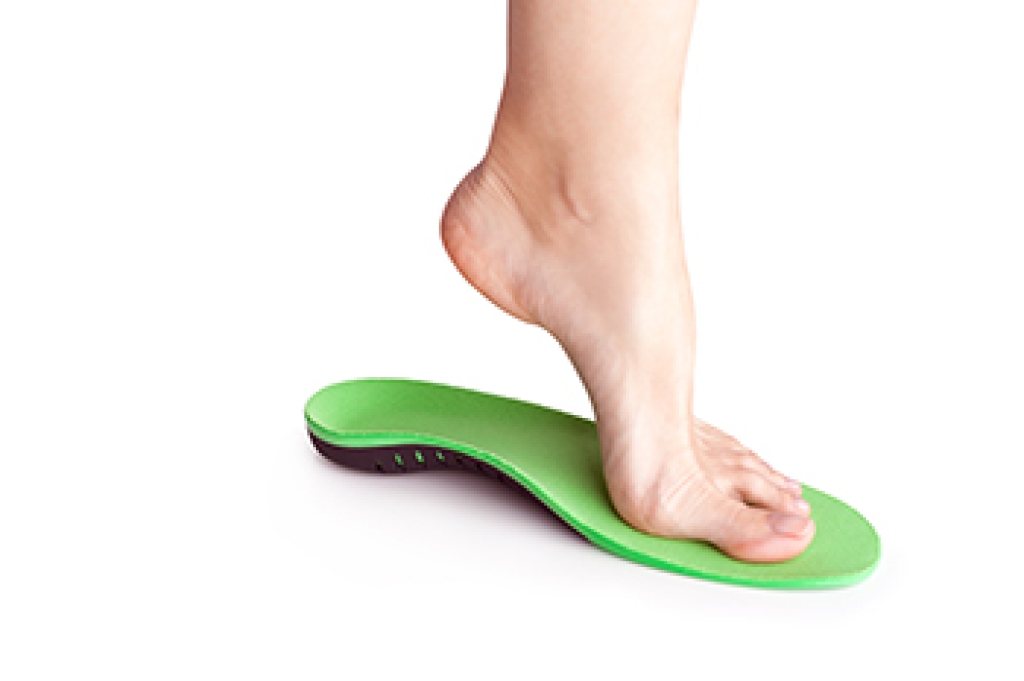
Foot orthotics can help reduce stress on the big toe joint, particularly during the early stages of hallux rigidus. Depending on the individual foot structure, a podiatrist may recommend an orthotic device that supports alignment, limits painful joint motion, or redistributes pressure away from the affected area. Treatment may begin with a thorough examination and gait assessment, followed by footwear recommendations and a properly fitted orthotic. The podiatrist may also suggest activity changes and other conservative treatments. Orthotics do not reverse arthritis, but they may improve comfort and daily movement during everyday activities.
Early treatment can help manage hallux rigidus before stiffness and joint damage become more advanced. A podiatrist can monitor changes over time and adjust treatment. If you have hallux rigidus and want to explore using orthotics, it is suggested that you consult a podiatrist for effective relief and management solutions.
Custom orthotics can be an important solution for reducing foot pain by targeting its structural causes rather than just the symptoms. When the feet are misaligned, excess strain develops in the muscles, tendons, and ligaments, often resulting in discomfort in the arches, balls of the feet, or toes. Orthotics are designed to match each foot’s natural shape, supporting proper alignment and evenly distributing pressure to ease pain and improve movement.
Foot pain is commonly caused by overuse, wearing improper footwear, or biomechanical issues that place added stress on sensitive areas. By stabilizing the foot and restoring natural motion, custom orthotics help reduce strain, calm inflammation, and promote healing. Many patients experience lasting relief and greater comfort while walking, standing, or exercising.
Created from a detailed assessment using advanced imaging or casting, each pair of orthotics is tailored to your individual needs. If you are experiencing ongoing foot pain, it is suggested that you contact our office for an evaluation and treatment.
If you have any questions, please feel free to contact our office located in Hot Springs, AR .
