


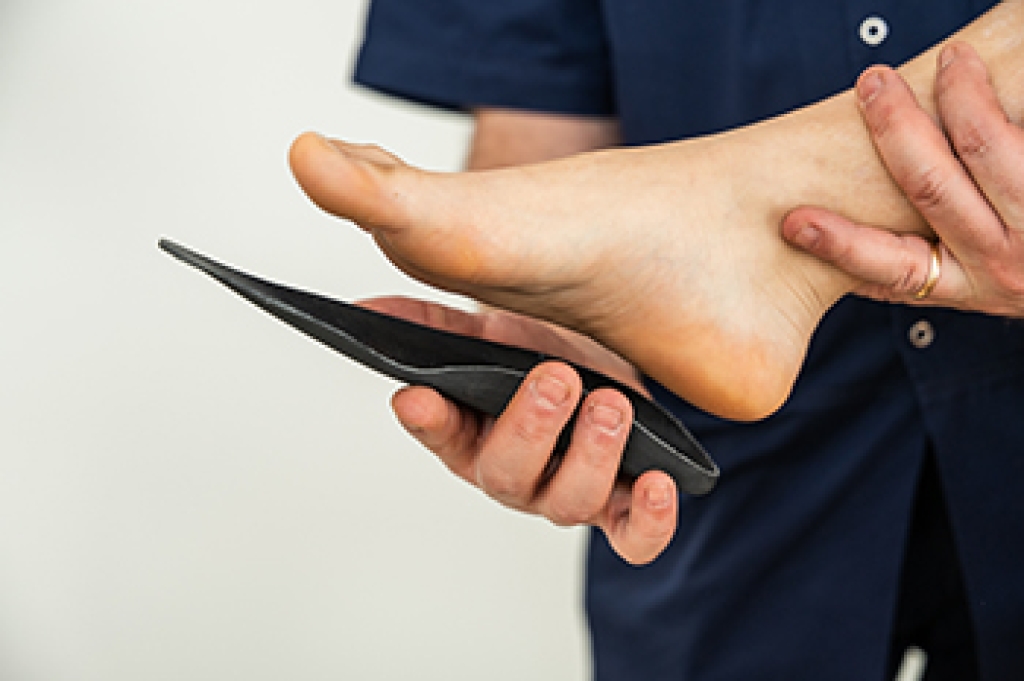
Diabetic foot problems can develop when diabetes affects circulation, nerve function, or the body’s ability to heal after an injury. Neuropathy may reduce sensation in the feet, making it harder to notice pressure, friction, or wounds. Symptoms include numbness, skin changes, or sores that heal slowly. Orthotics for the diabetic foot can help reduce pressure on vulnerable areas and improve weight distribution while walking. Proper foot support is especially important for people who have reduced sensation or a history of foot ulcers.
Several risk factors can increase the chance of developing diabetic foot complications. Poorly controlled blood sugar, peripheral neuropathy, and previous ulcers can make the feet more vulnerable to injury. Wearing tight or poorly fitting shoes can create repeated pressure that may damage the skin without causing noticeable discomfort. A podiatrist can identify these concerns through a foot examination, sensation testing, circulation assessment, and evaluation of walking patterns. Early care can help reduce the risk of serious wounds and support healthier daily mobility.
Custom orthotics may be designed to redistribute pressure away from areas at higher risk for irritation or skin breakdown. Shoe modifications are also important and may include extra-depth footwear, wider toe boxes, or customized cushioning. A podiatrist first examines the feet and identifies pressure points, deformities, or areas with reduced sensation. This foot doctor can then recommend appropriate orthotic support and footwear based on the patient’s needs.
Diabetic foot care does not stop with orthotics or footwear. Daily foot checks, proper hygiene, appropriate socks, and prompt attention to changes can help protect the skin. People with diabetes should avoid walking barefoot because unnoticed injuries can become serious. Orthotics and shoe modifications are most effective when they are part of an individualized diabetic foot care plan. If you have diabetic foot concerns, it is suggested that you are under the care of a podiatrist who can determine what type of orthotics are right for you.
Custom orthotics play an important role in preventing and treating foot and ankle injuries by providing personalized support that aligns with the unique structure of each foot. These specially designed devices help correct biomechanical imbalances, reduce pressure on sensitive areas, and improve stability during movement. When the feet are properly supported, the risk of developing conditions such as plantar fasciitis, Achilles tendinitis, and ankle sprains can be significantly reduced. Custom orthotics also help relieve discomfort caused by having flat feet, high arches, or uneven leg length, which may contribute to recurring injuries or pain.
Foot and ankle injuries can develop gradually from repetitive strain or occur suddenly during physical activity. Without proper treatment, these injuries can affect mobility and overall quality of life. Orthotics work to redistribute weight evenly across the foot, allowing joints and muscles to function more efficiently. This not only supports recovery from injury but can also prevent future problems by promoting better posture and alignment throughout the lower body.
Unlike over-the-counter inserts, custom orthotics are designed based on a detailed evaluation of each patient’s foot structure, gait, and medical needs. Podiatrists use advanced imaging and diagnostic tools to create orthotics that fit precisely and provide targeted correction. Whether used in everyday footwear or athletic shoes, custom orthotics can improve comfort, enhance performance, and support long-term foot health.
If you are experiencing foot or ankle pain or have sustained an injury that has not improved with rest, it is suggested that you schedule an appointment with a podiatrist. Call our office for more information or to make an appointment.
If you have any questions, please feel free to contact our office located in Hot Springs, AR .
