like us on facebook follow us on twitter follow us on instagram review us on google

Running Woes

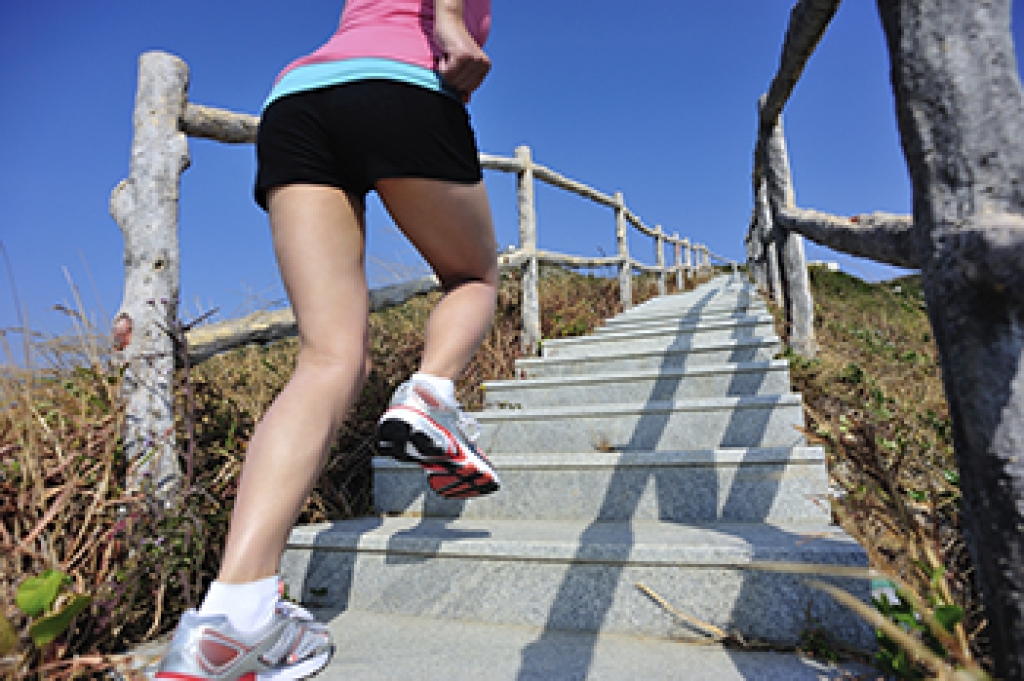
Runners often experience a variety of foot problems due to the repetitive stress and impact involved in the sport. Issues like blisters, toenail damage, and stiff big toe joints are frequent, in addition to more severe conditions like plantar fasciitis and stress fractures. The feet endure significant pressure during running, making them particularly vulnerable to injuries. When not properly treated, these injuries can lead to chronic pain or long-term mobility issues. To prevent foot problems, it is important to wear appropriate footwear, gradually increase mileage, and pay attention to any early signs of discomfort. Regularly stretching and strengthening foot muscles can also reduce the risk of injury. If problems persist, it is suggested that you seek advice from a podiatrist to help ensure proper healing and avoid further complications, allowing you to safely continue the desired activity.

Exercising your feet regularly with the proper foot wear is a great way to prevent injuries. If you have any concerns about your feet, contact Joseph M. LaCava, DPM of Arkansas. Our doctor will treat your foot and ankle needs.

How to Prevent Running Injuries

Many common running injuries are caused by overuse and overtraining. When the back of the kneecap starts wearing out and starts causing pain in your knee, this is commonly referred to as runner’s knee. Runner’s knee is a decrease in strength in your quadriceps and can occur if you’re not wearing properly fitted or supporting shoes. To prevent runner’s knee, focusing on hip strengthening is a good idea, as well as strengthening your quads to keep the kneecaps aligned.

What Are Some Causes of Running Injuries? 
- One cause of a common running injury is called iliotibial band syndrome.
- Plantar fasciitis is also another common injury.
- Stress fractures can occur from overtraining, lack of calcium, or even your running style.

Best Ways to Prevent Running Injuries
- Wear footwear that fits properly and suits your running needs.
- Running shoes are the only protective gear that runners have to safeguard them from injury.
- Make a training schedule. Adding strengthening exercises as well as regular stretching can help keep you strong and limber and can lessen the possibility of injuries.
- Stretching keeps muscles limber; this will help you gain better flexibility.

If you have any questions, please feel free to contact our office located in Hot Springs, AR . We offer the newest diagnostic and treatment technologies for all your foot care needs.

Read more about How to Prevent Running Injuries

How to Manage Blisters on the Feet

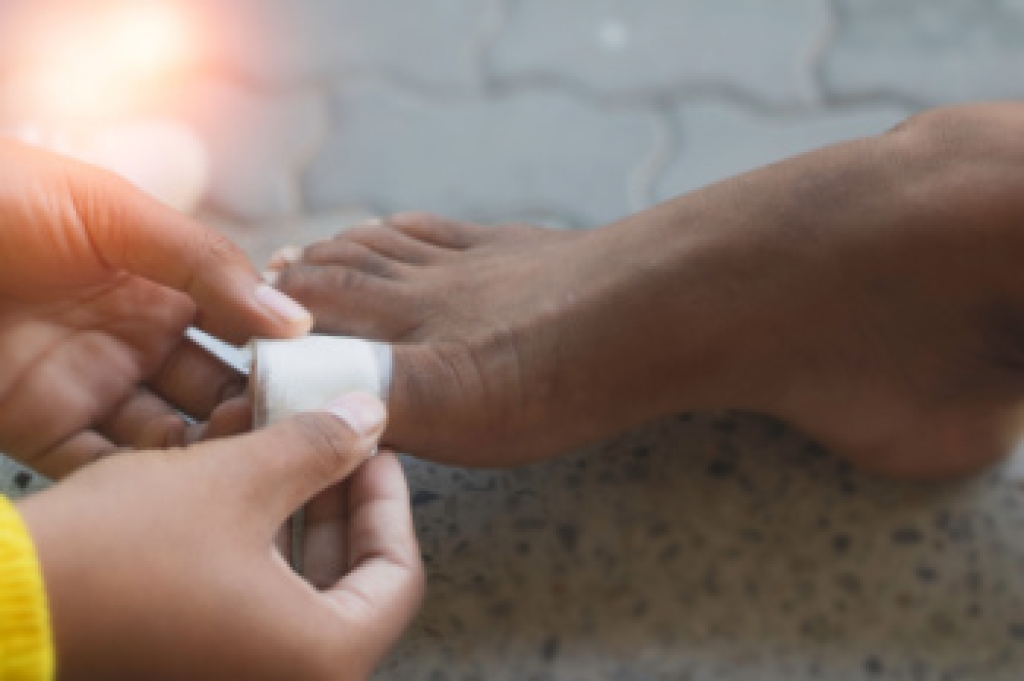
Blisters on the feet can be painful and bothersome. They are often caused by friction inside a shoe or from prolonged activity, such as walking or running. Most blisters on the feet heal naturally, but protecting them can help reduce both discomfort and the risk of infection. Small, unbroken blisters can be covered loosely with a bandage to prevent irritation. For blisters on the soles, a doughnut-shaped moleskin pad can alleviate pressure by keeping the area over the blister open. It is not a good idea to drain blisters at home, as improper handling can lead to infection and cause additional problems. If a blister is large or painful, it is best to have it drained by a podiatrist, who can do so under safe and hygienic conditions. Always monitor blisters for signs of infection, such as increased pain, redness, or pus. Also, if you have medical conditions like diabetes, HIV, cancer, or heart disease, it isimportant to seek medical help immediately. To safely manage problematic blisters on the feet, it is suggested that you schedule an appointment with a podiatrist for effective treatment options.

Blisters are prone to making everyday activities extremely uncomfortable. If your feet are hurting, contact Joseph M. LaCava, DPM of Arkansas. Our doctor can provide the care you need to keep you pain-free and on your feet.

Foot Blisters

Foot blisters develop as a result of constantly wearing tight or ill-fitting footwear. This happens due to the constant rubbing from the shoe, which can often lead to pain.

What Are Foot Blisters?

A foot blister is a small fluid-filled pocket that forms on the upper-most layer of the skin. Blisters are filled with clear fluid and can lead to blood drainage or pus if the area becomes infected.

How Do Blisters Form?

Blisters on the feet are often the result of constant friction of skin and material, usually by shoe rubbing. Walking in sandals, boots, or shoes that don’t fit properly for long periods of time can result in a blister. Having consistent foot moisture and humidity can easily lead to blister formation.

Prevention & Treatment

It is important to properly care for the affected area in order to prevent infection and ease the pain. Do not lance the blister and use a Band-Aid to provide pain relief. Also, be sure to keep your feet dry and wear proper fitting shoes. If you see blood or pus in a blister, seek assistance from a podiatrist.

If you have any questions, please feel free to contact our office located in Hot Springs, AR . We offer the newest diagnostic and treatment technologies for all your foot care needs.

Read more about Blisters on the Feet

Custom Orthotics For Ankle Stability

Step with assurance, thanks to enhanced ankle stability from orthotics! If you're active and on the move, Custom Orthotics are your ally for stronger, steadier ankles. They align your foot and ankle, reducing the risk of sprains and offering solid support for every stride. Don’t let instability hold you back. Try Custom Orthotics from our office, and discover unshakable confidence in every step!

Why Live with Pain and Numbness in Your Feet?

Suffering from this type of pain? You may have the foot condition known as Morton's neuroma. Morton's neuroma may develop as a result of ill-fitting footwear and existing foot deformities. We can help.

Causes and Symptoms of Athlete’s Foot

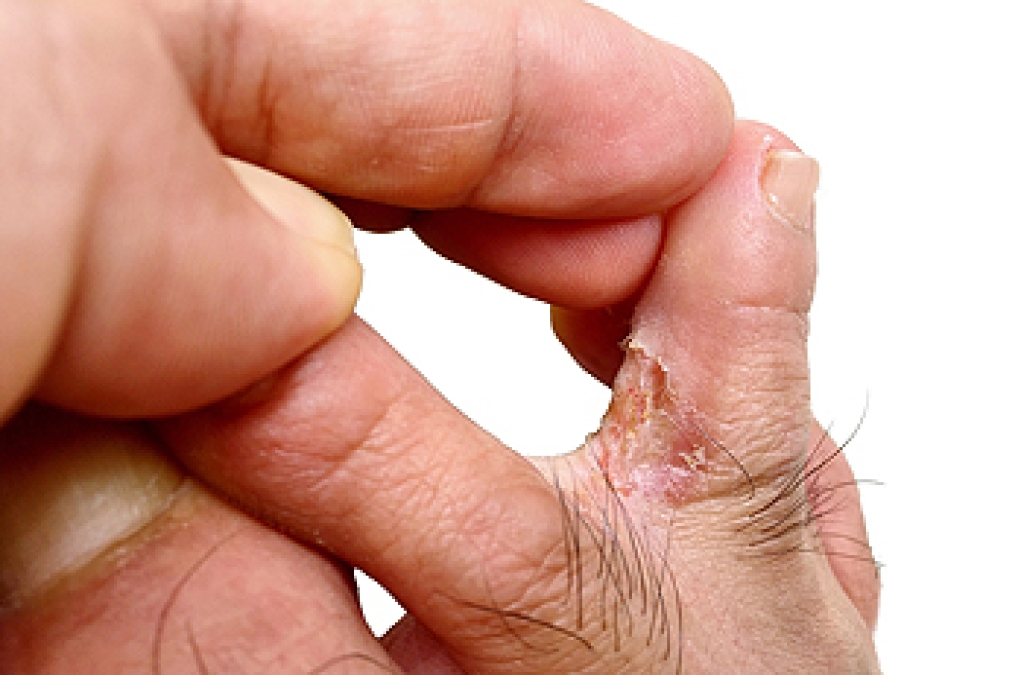
Athlete's foot is a fungal infection that primarily affects the feet. The fungi thrive in warm, moist environments, such as pools, locker rooms, and gyms. Although anyone can get athlete's foot, it is more prevalent in men. The fungi causing this infection live on the surface of the skin, particularly in sweat-prone areas, like between the toes. Symptoms of athlete's foot include dry skin, itching, and burning sensations, especially between the toes, along with red, scaly rashes. Blisters may form, which can peel or crack open, leading to exposed, raw tissue. Inflammation and a foul odor are also common signs. The infection spreads through direct contact with contaminated surfaces or skin and is more likely in people who wear closed shoes or sweat a lot. If you have a troublesome athlete's foot infection, it is suggested that you schedule an appointment with a podiatrist for advanced treatment.

Athlete’s foot is an inconvenient condition that can be easily reduced with the proper treatment. If you have any concerns about your feet and ankles, contact Joseph M. LaCava, DPM from Arkansas.  Our doctor will treat your foot and ankle needs.

Athlete’s Foot: The Sole Story

Athlete's foot, also known as tinea pedis, can be an extremely contagious foot infection. It is commonly contracted in public changing areas and bathrooms, dormitory style living quarters, around locker rooms and public swimming pools, or anywhere your feet often come into contact with other people.

Solutions to Combat Athlete’s Foot

  • Hydrate your feet by using lotion
  • Exfoliate
  • Buff off nails
  • Use of anti-fungal products
  • Examine your feet and visit your doctor if any suspicious blisters or cuts develop

Athlete’s foot can cause many irritating symptoms such as dry and flaking skin, itching, and redness. Some more severe symptoms can include bleeding and cracked skin, intense itching and burning, and even pain when walking. In the worst cases, Athlete’s foot can cause blistering as well. Speak to your podiatrist for a better understanding of the different causes of Athlete’s foot, as well as help in determining which treatment options are best for you.

If you have any questions please feel free to contact our office located in Hot Springs, AR . We offer the newest diagnostic and treatment technologies for all your foot and ankle needs.

Read more about Athlete's Foot

Connect With Us

scroll to top