like us on facebook follow us on twitter follow us on instagram review us on google

Recognizing Risk Factors for Achilles Tendon Problems Early

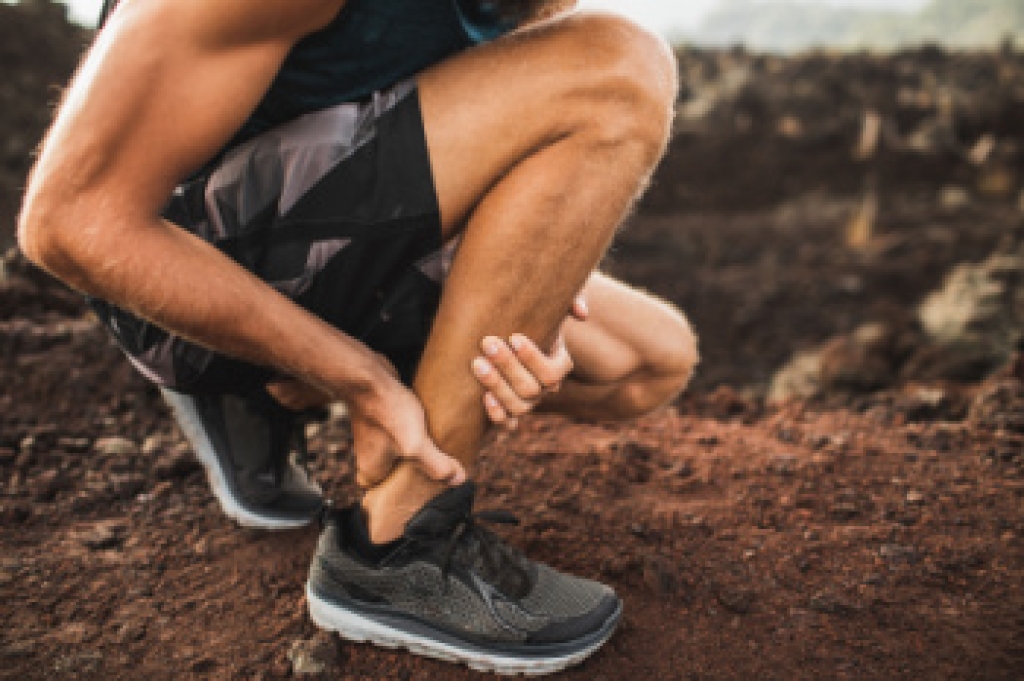
The Achilles tendon plays a vital role in walking, running, and standing on your toes. When it becomes strained or inflamed, even simple movements can become painful. Identifying risk factors early can help prevent long-term problems. Tight calf muscles, poor ankle flexibility, and a sudden increase in physical activity are common contributors. Wearing unsupportive shoes or changing exercise routines without preparation can also place added stress on the tendon. Age may also be a factor, as tendons naturally lose flexibility over time. People who have flat feet or high arches may place uneven pressure on the Achilles tendon, increasing the risk of injury. Past ankle injuries and certain medications can also weaken the tendon. If you are experiencing tightness, swelling, or pain near the back of your heel, it is suggested you visit a podiatrist to assess your risk, treat various foot conditions, and discuss steps to protect your Achilles tendon.

Achilles tendon injuries need immediate attention to avoid future complications. If you have any concerns, contact Joseph M. LaCava, DPM of Arkansas. Our doctor can provide the care you need to keep you pain-free and on your feet.

What Is the Achilles Tendon?

The Achilles tendon is a tendon that connects the lower leg muscles and calf to the heel of the foot. It is the strongest tendon in the human body and is essential for making movement possible. Because this tendon is such an integral part of the body, any injuries to it can create immense difficulties and should immediately be presented to a doctor.

What Are the Symptoms of an Achilles Tendon Injury?

There are various types of injuries that can affect the Achilles tendon. The two most common injuries are Achilles tendinitis and ruptures of the tendon.

Achilles Tendinitis Symptoms

  • Inflammation
  • Dull to severe pain
  • Increased blood flow to the tendon
  • Thickening of the tendon

Rupture Symptoms

  • Extreme pain and swelling in the foot
  • Total immobility

Treatment and Prevention

Achilles tendon injuries are diagnosed by a thorough physical evaluation, which can include an MRI. Treatment involves rest, physical therapy, and in some cases, surgery. However, various preventative measures can be taken to avoid these injuries, such as:

  • Thorough stretching of the tendon before and after exercise
  • Strengthening exercises like calf raises, squats, leg curls, leg extensions, leg raises, lunges, and leg presses

If you have any questions please feel free to contact our office located in Hot Springs, AR . We offer the newest diagnostic tools and technology to treat your foot and ankle needs.
Read more about What are Achilles Tendon Injuries

Support Starts at the Ground While Finding the Right Running Shoes

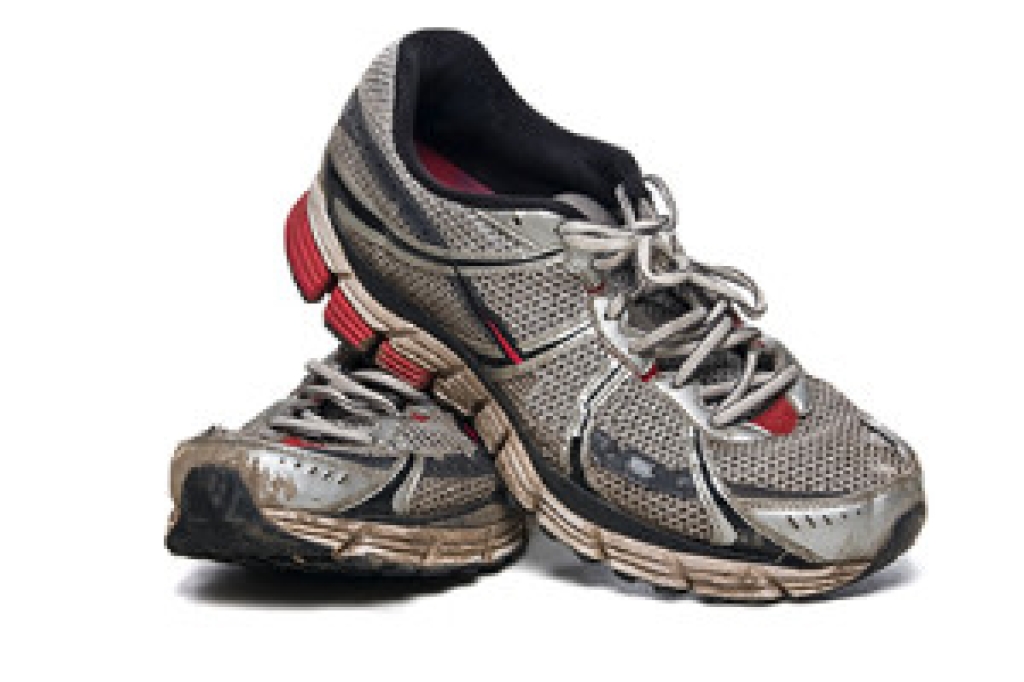
Choosing the right running shoes begins with understanding your foot type, such as flat, neutral, or high-arched, as each requires different support. Your running style, whether on roads or trails, also affects the type of shoe you need. Shoe categories include stability, cushioned, or motion control, each offering unique benefits based on foot biomechanics. Achieving the perfect fit means ensuring proper toe room, arch support, and heel grip without discomfort. A podiatrist can analyze your gait, assess foot structure, and recommend shoes or inserts tailored to your needs. If you have developed foot pain from running, it is suggested that you consult a podiatrist who can treat various foot conditions and guide you on selecting the right running shoe.  

You should always make sure your running shoes fit properly in order to avoid injury. For more information, contact Joseph M. LaCava, DPM from Arkansas. Our doctor can provide the care you need to keep you pain-free and on your feet.

Choosing the Right Running Shoe for Your Foot Type

Improper shoe sizing can cause a myriad of problems for your feet. Shoes that don’t fit you properly can lead to muscular imbalances in your body, which can result in foot, knee, and hip injuries.

Tips for Finding the Right Running Shoe

  • Make sure you have a thumb’s width of wiggle room between the end of your longest toe and the front of the shoe.
  • There should be little to no slipping at the heel
  • Don’t assume your size in one shoe brand will be your size in another
  • Do not lace up your shoes too tightly
  • Walk around in the store with your new shoes before you buy them

If you have any questions, please feel free to contact our office located in Hot Springs, AR . We offer the newest diagnostic and treatment technologies for all your foot care needs.

Read more about Walking Shoes vs. Running Shoes

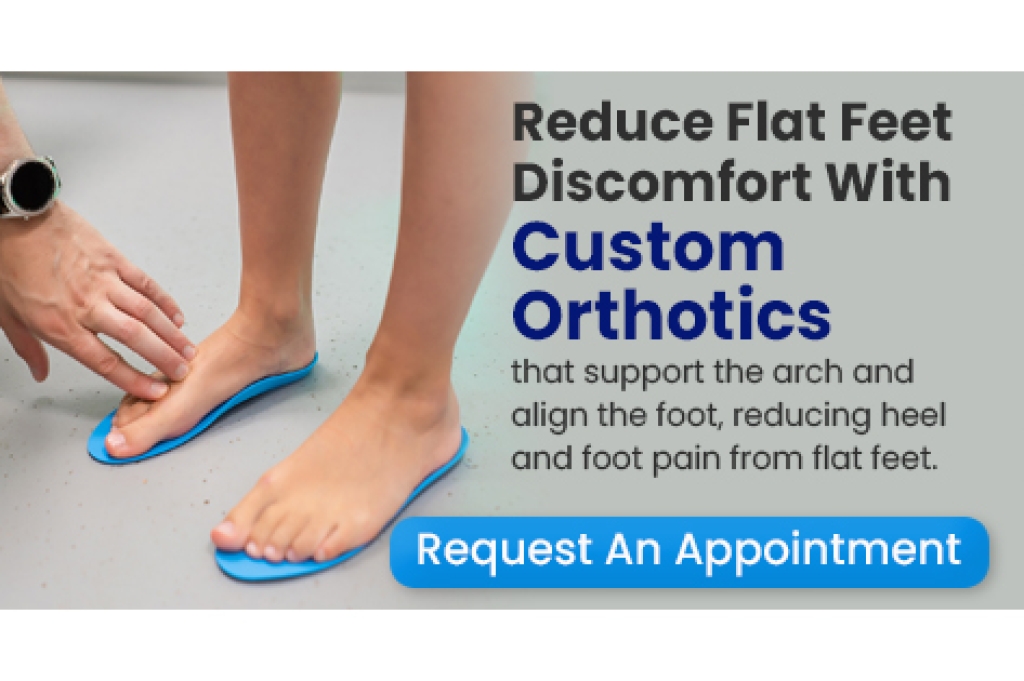
Reduce Flat Feet Discomfort With Custom Orthotics

Flat feet? Rise above the discomfort with Custom Orthotics. Specifically designed to support the arch and align the foot, Custom Orthotics can be a game-changer for those with flat feet. They help in distributing weight evenly, preventing undue stress and potential pain. Walk, run, or stand with newfound confidence, knowing your feet have the support they've been missing. Want to explore the benefits of Custom Orthotics tailored for flat feet? Contact us today!

What You Should Know About Gout

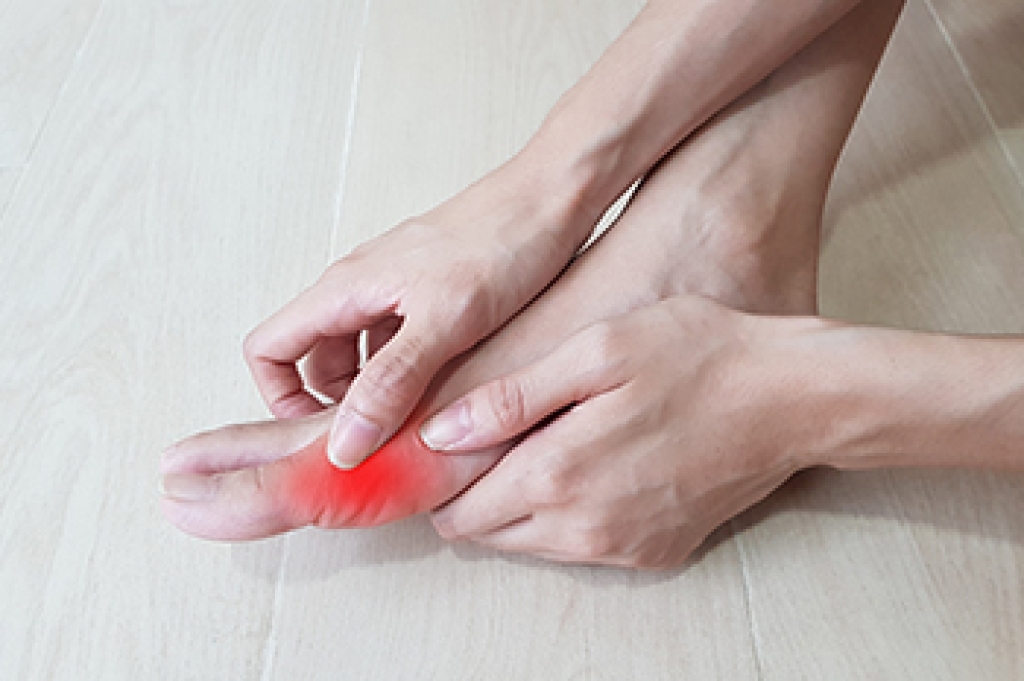
Gout is a type of arthritis that causes sudden, intense joint pain, often starting in the big toe. It happens when there is too much uric acid in the body, which can form sharp crystals in the joints. These crystals lead to swelling, redness, and severe tenderness that may appear without warning, often overnight. Certain foods and drinks, such as red meat, seafood, and alcohol, may increase the risk of a flare-up. Gout attacks can become more frequent or affect other joints, if left untreated. Managing the condition involves lifestyle changes, staying hydrated, and, in many cases, medication to control uric acid levels. Wearing comfortable shoes and avoiding excess pressure on the affected foot can help during flare-ups. If you are experiencing sudden joint pain or swelling in your toe or foot, it is suggested that you see a podiatrist for an accurate diagnosis and care plan.

Gout is a painful condition that can be treated. If you are seeking treatment, contact Joseph M. LaCava, DPM from Arkansas. Our doctor will treat your foot and ankle needs.

What Is Gout?

Gout is a form of arthritis that is characterized by sudden, severe attacks of pain, redness, and tenderness in the joints. The condition usually affects the joint at the base of the big toe. A gout attack can occur at any random time, such as the middle of the night while you are asleep.

Symptoms

  • Intense Joint Pain - Usually around the large joint of your big toe, and it most severe within the first four to twelve hours
  • Lingering Discomfort - Joint discomfort may last from a few days to a few weeks
  • Inflammation and Redness -Affected joints may become swollen, tender, warm and red
  • Limited Range of Motion - May experience a decrease in joint mobility

Risk Factors

  • Genetics - If family members have gout, you’re more likely to have it
  • Medications - Diuretic medications can raise uric acid levels
  • Gender/Age - Gout is more common in men until the age of 60. It is believed that estrogen protects women until that point
  • Diet - Eating red meat and shellfish increases your risk
  • Alcohol - Having more than two alcoholic drinks per day increases your risk
  • Obesity - Obese people are at a higher risk for gout

Prior to visiting your podiatrist to receive treatment for gout, there are a few things you should do beforehand. If you have gout you should write down your symptoms--including when they started and how often you experience them, important medical information you may have, and any questions you may have. Writing down these three things will help your podiatrist in assessing your specific situation so that he or she may provide the best route of treatment for you.

If you have any questions, please feel free to contact our office located in Hot Springs, AR . We offer the newest diagnostic and treatment technologies for all your foot care needs.

Read more about Gout

Heel Pain in the Morning?

Heel pain can negatively affect your day-to-day life. Simple activities like walking can become incredibly uncomfortable or painful due to heel pain.

Don’t live with heel pain and get treated.

Connect With Us

scroll to top