like us on facebook follow us on twitter follow us on instagram review us on google

How Orthotics May Help Foot and Ankle Conditions

Rehabilitation with orthotic intervention plays an important role in managing many foot and ankle conditions. Custom insoles are designed to support proper alignment, alleviate pressure on affected areas, and reduce strain on muscles, joints, and ligaments. By improving weight distribution, orthotics can help prevent progression of existing conditions and promote a more normal and efficient gait. This support may enhance comfort during walking, standing, and activity while supporting long-term recovery. A podiatrist can evaluate foot structure, movement patterns, and symptoms to determine the most effective orthotic design for each patient. If foot or ankle pain is limiting mobility or daily comfort, it is suggested that you seek professional podiatric care to explore orthotic rehabilitation options for improved function and lasting relief.

Our feet carry us through every part of life, absorbing the impact of thousands of steps each day. When they are not properly supported, the effects can extend far beyond the feet themselves. Custom orthotics provide the foundation the body needs by aligning, cushioning, and stabilizing each foot in its most natural position. They are carefully crafted to match the unique structure of each individual’s feet, allowing them to move efficiently and comfortably while reducing stress on the muscles, joints, and ligaments.

Proper foot support is essential for maintaining balance and preventing fatigue. Without it, the body compensates by shifting weight unevenly, which can lead to discomfort in the ankles, knees, hips, or lower back. Custom orthotics help restore this balance by redistributing pressure and promoting a more natural walking pattern. They not only ease existing pain but also protect against future strain or injury by supporting the arches and controlling excessive motion.

Unlike store-bought insoles, custom orthotics are created through detailed assessment and advanced technology to provide precise correction and comfort. They fit seamlessly into most shoes, making them ideal for daily wear, work, or sports.

If your feet feel tired, sore, or unsupported, it is recommended that you contact our office for more information, or to make an appointment.

If you have any questions please contact our office located in Hot Springs, AR

Read more about Sole Marketing and Heel Pain

Peripheral Neuropathy and How It Develops

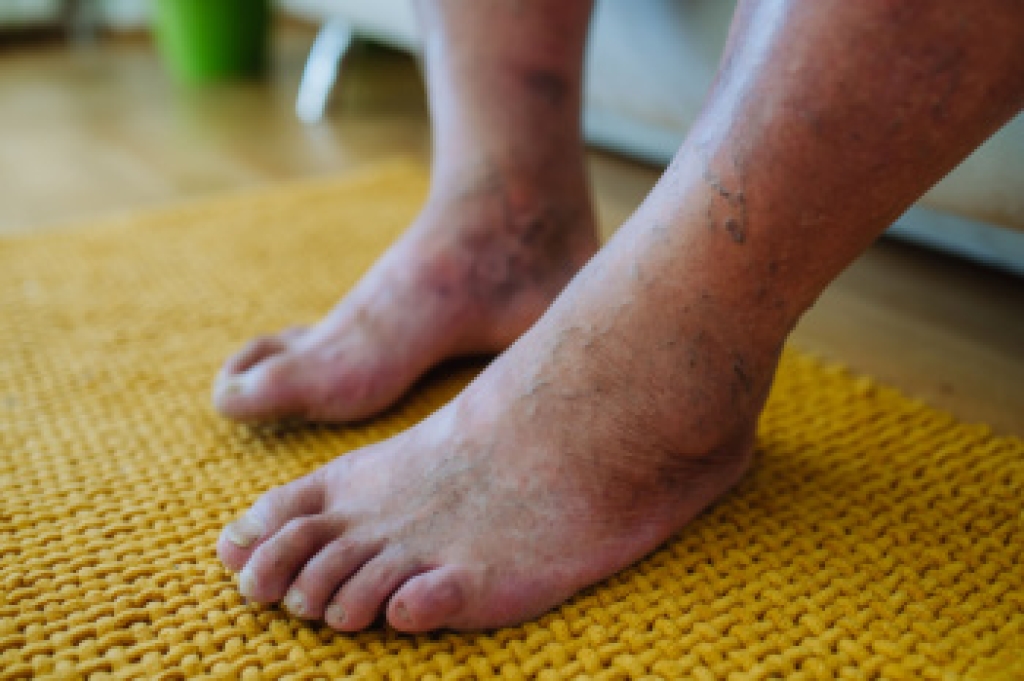
Peripheral neuropathy is a condition that affects the nerves outside the brain and spinal cord, most often in the feet and legs. These nerves help control sensation, movement, and balance. When they are damaged, symptoms such as numbness, tingling, burning, weakness, or loss of feeling may develop. Neuropathy often comes on gradually and may go unnoticed at first. Common causes include diabetes, poor circulation, in addition to vitamin deficiencies, repetitive pressure, injuries, certain medications, and long-term medical conditions. Because sensation is reduced, small cuts, blisters, or pressure points may go unnoticed and worsen over time. Balance problems and muscle weakness can also increase the risk of falls. Early recognition is important to slow progression and prevent complications. If you notice ongoing numbness, pain, or changes in sensation in your feet, it is suggested that you see a podiatrist for evaluation and management.

Neuropathy

Neuropathy can be a potentially serious condition, especially if it is left undiagnosed. If you have any concerns that you may be experiencing nerve loss in your feet, consult with Joseph M. LaCava, DPM from Arkansas. Our doctor will assess your condition and provide you with quality foot and ankle treatment for neuropathy.

What Is Neuropathy?

Neuropathy is a condition that leads to damage to the nerves in the body. Peripheral neuropathy, or neuropathy that affects your peripheral nervous system, usually occurs in the feet. Neuropathy can be triggered by a number of different causes. Such causes include diabetes, infections, cancers, disorders, and toxic substances.

Symptoms of Neuropathy Include:

  • Numbness
  • Sensation loss
  • Prickling and tingling sensations
  • Throbbing, freezing, burning pains
  • Muscle weakness

Those with diabetes are at serious risk due to being unable to feel an ulcer on their feet. Diabetics usually also suffer from poor blood circulation. This can lead to the wound not healing, infections occurring, and the limb may have to be amputated.

Treatment

To treat neuropathy in the foot, podiatrists will first diagnose the cause of the neuropathy. Figuring out the underlying cause of the neuropathy will allow the podiatrist to prescribe the best treatment, whether it be caused by diabetes, toxic substance exposure, infection, etc. If the nerve has not died, then it’s possible that sensation may be able to return to the foot.

Pain medication may be issued for pain. Electrical nerve stimulation can be used to stimulate nerves. If the neuropathy is caused from pressure on the nerves, then surgery may be necessary.

If you have any questions, please feel free to contact our office located in Hot Springs, AR . We offer the newest diagnostic and treatment technologies for all your foot care needs.


Read more about Neuropathy

Understanding Metatarsal Fractures and Foot Pain

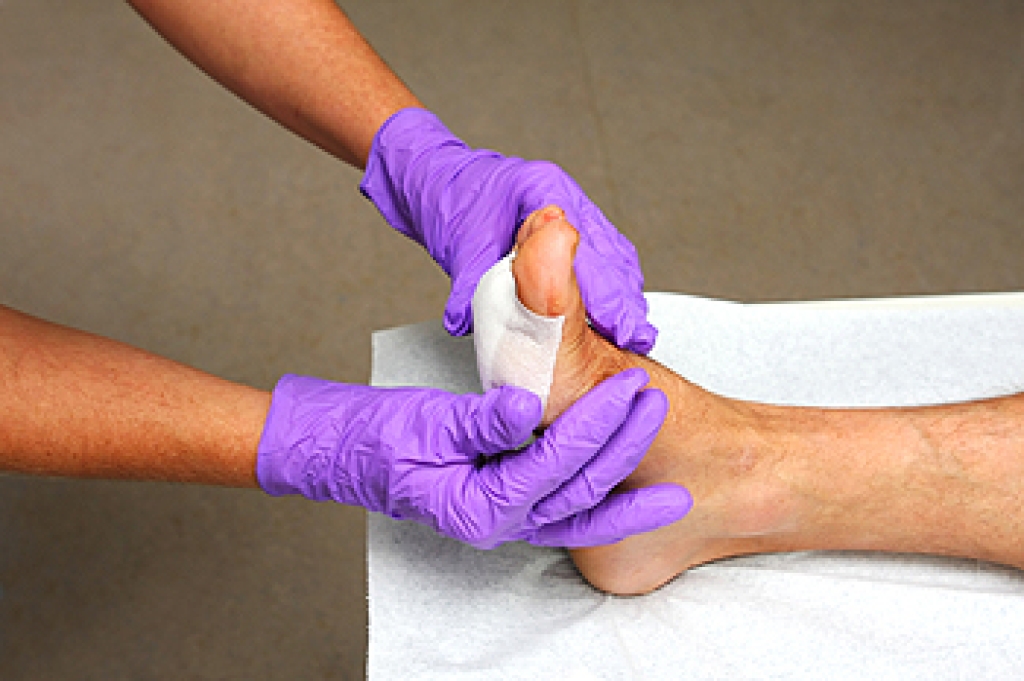
Metatarsals are the long bones in the middle of the foot that connect the ankle region to the toes and help support body weight during standing and walking. A fracture in one of these bones can occur from a sudden injury, such as a fall or direct impact, or from repeated stress, over time. Symptoms often include pain, swelling, bruising, and difficulty bearing weight on the affected foot. Some fractures develop gradually, and may feel like persistent soreness that worsens with activity. Proper diagnosis is important, since untreated breaks can heal poorly and alter foot mechanics. Management may involve rest, wearing protective footwear, immobilization, or other targeted care, depending on severity and location. Early treatment supports better healing and reduces the risk of long-term problems. If midfoot pain, swelling, or walking difficulty occurs, it is suggested that you see a podiatrist who can accurately diagnose and treat a broken foot.

A broken foot requires immediate medical attention and treatment. If you need your feet checked, contact Joseph M. LaCava, DPM from Arkansas. Our doctor can provide the care you need to keep you pain-free and on your feet.

Broken Foot Causes, Symptoms, and Treatment

A broken foot is caused by one of the bones in the foot typically breaking when bended, crushed, or stretched beyond its natural capabilities. Usually the location of the fracture indicates how the break occurred, whether it was through an object, fall, or any other type of injury. 

Common Symptoms of Broken Feet:

  • Bruising
  • Pain
  • Redness
  • Swelling
  • Blue in color
  • Numbness
  • Cold
  • Misshapen
  • Cuts
  • Deformities

Those that suspect they have a broken foot shoot seek urgent medical attention where a medical professional could diagnose the severity.

Treatment for broken bones varies depending on the cause, severity and location. Some will require the use of splints, casts or crutches while others could even involve surgery to repair the broken bones. Personal care includes the use of ice and keeping the foot stabilized and elevated.

If you have any questions, please feel free to contact our office located in Hot Springs, AR . We offer the newest diagnostic and treatment technologies for all your foot care needs.
Read more about Causes, Symptoms, and Treatment for a Broken Foot

Connect With Us

scroll to top