like us on facebook follow us on twitter follow us on instagram review us on google

Key Facts About Athlete’s Foot

Athlete’s foot is a fungal infection that affects the skin on the feet, causing itching, burning, and peeling. It is caused by dermatophytes, a type of fungus that thrives in warm, moist environments like locker rooms, swimming pools, and public showers. The infection spreads through direct contact or by sharing contaminated items such as towels or shoes. Those who sweat excessively or wear tight, non-breathable shoes are at higher risk. Symptoms of athlete’s foot include red, scaly skin, blisters, and cracked skin, often between the toes or on the soles of the feet. If left untreated, the infection can spread to other areas of the body, including the nails or groin, and may lead to bacterial infections. Persistent infections may require stronger medications or specialized care. A podiatrist can accurately diagnose the condition and recommend the best treatment plan. If you are experiencing symptoms of athlete’s foot, it is suggested that you schedule an appointment with a podiatrist.

Athlete’s Foot

Athlete’s foot is often an uncomfortable condition to experience. Thankfully, podiatrists specialize in treating athlete’s foot and offer the best treatment options. If you have any questions about athlete’s foot, consult with Joseph M. LaCava, DPM from Arkansas. Our doctor will assess your condition and provide you with quality treatment.

What Is Athlete’s Foot?

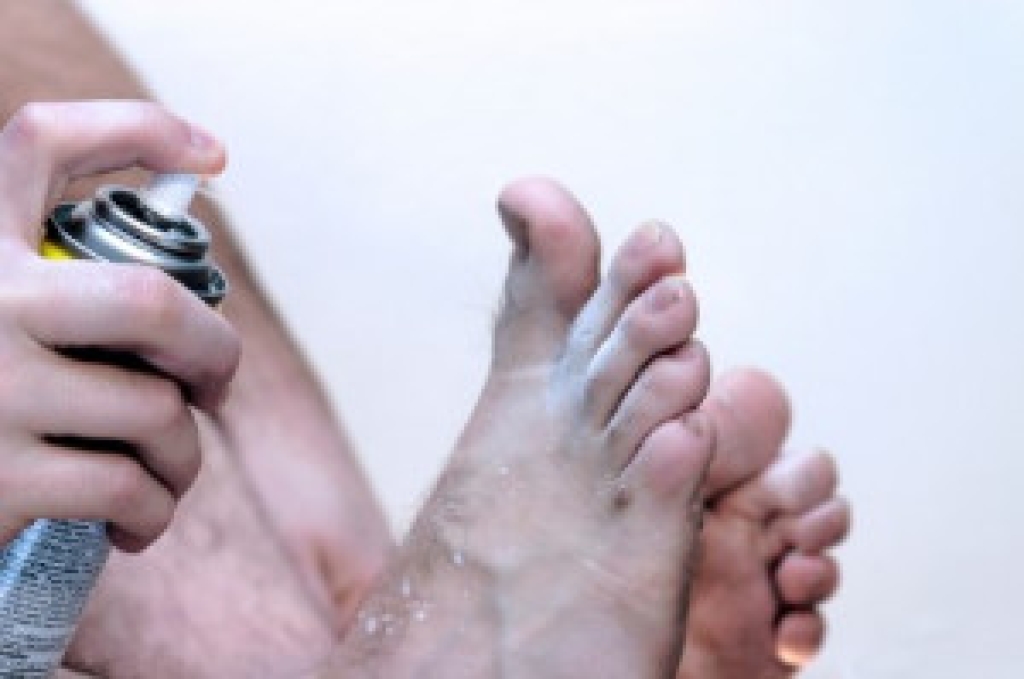
Tinea pedis, more commonly known as athlete’s foot, is a non-serious and common fungal infection of the foot. Athlete’s foot is contagious and can be contracted by touching someone who has it or infected surfaces. The most common places contaminated by it are public showers, locker rooms, and swimming pools. Once contracted, it grows on feet that are left inside moist, dark, and warm shoes and socks.

Prevention

The most effective ways to prevent athlete’s foot include:

  • Thoroughly washing and drying feet
  • Avoid going barefoot in locker rooms and public showers
  • Using shower shoes in public showers
  • Wearing socks that allow the feet to breathe
  • Changing socks and shoes frequently if you sweat a lot

Symptoms

Athlete’s foot initially occurs as a rash between the toes. However, if left undiagnosed, it can spread to the sides and bottom of the feet, toenails, and if touched by hand, the hands themselves. Symptoms include:

  • Redness
  • Burning
  • Itching
  • Scaly and peeling skin

Diagnosis and Treatment

Diagnosis is quick and easy. Skin samples will be taken and either viewed under a microscope or sent to a lab for testing. Sometimes, a podiatrist can diagnose it based on simply looking at it. Once confirmed, treatment options include oral and topical antifungal medications.

If you have any questions, please feel free to contact our office located in Hot Springs, AR . We offer the newest diagnostic and treatment technologies for all your foot care needs.


Read more about How to Deal with Athlete's Foot

Foot Ailments Can Be a Warning Signal

Foot ailments often signal underlying health issues that require attention. Conditions like dry, flaking skin on the feet might suggest fungal infections such as tinea, or could point to dermatitis conditions like eczema or psoriasis that are often linked to stress. Morning foot pain may result from wearing improper footwear or increased physical activity, but persistent pain could indicate more significant problems, like plantar fasciitis or other structural concerns. Cold feet might suggest poor circulation, which can have broader and more serious implications for vascular health. Clawed toes, commonly caused by wearing tight or pointy shoes, can also be associated with nerve damage or improper footwear sizing. Swollen feet, or edema, may result from poor venous circulation, indicating potential vascular or systemic health issues. A podiatrist can address underlying causes and recommend custom orthotics, footwear adjustments, or other treatment to improve your foot health. If you have unexplained foot or ankle issues, it is suggested that you schedule an appointment with a podiatrist for an exam and diagnosis.

Proper foot care is something many older adults forget to consider. If you have any concerns about your feet and ankles, contact Joseph M. LaCava, DPM from Arkansas. Our doctor can provide the care you need to keep you pain-free and on your feet.

The Elderly and Their Feet

As we age we start to notice many changes in our body, but the elder population may not notice them right away. Medical conditions may prevent the elderly to take notice of their foot health right away. Poor vision is a lead contributor to not taking action for the elderly.

Common Conditions 

  • Neuropathy – can reduce feeling in the feet and can hide many life-threatening medical conditions.
  • Reduced flexibility – prevents the ability of proper toenail trimming, and foot cleaning. If left untreated, it may lead to further medical issues.
  • Foot sores – amongst the older population can be serious before they are discovered. Some of the problematic conditions they may face are:
  • Gouging toenails affecting nearby toe
  • Shoes that don’t fit properly
  • Pressure sores
  • Loss of circulation in legs & feet
  • Edema & swelling of feet and ankles

Susceptible Infections

Diabetes and poor circulation can cause general loss of sensitivity over the years, turning a simple cut into a serious issue.

If you have any questions, please feel free to contact our office located in Hot Springs, AR . We offer the newest diagnostic and treatment technologies for all your foot care needs.
Read more about Elderly and their Feet

Custom Orthotics For Seniors

Age gracefully and move freely with Custom Orthotics. For seniors seeking to maintain their independence, Custom Orthotics offer the stability and comfort essential for daily activities. Custom-tailored to your feet, they provide support, reduce pain, and enhance mobility, ensuring you're always on sure footing. Don't let age-related foot concerns hold you back. With Custom Orthotics, embrace every golden moment with confidence. Call today to schedule an appointment.

Causes of Blisters While Hiking and How to Prevent Them

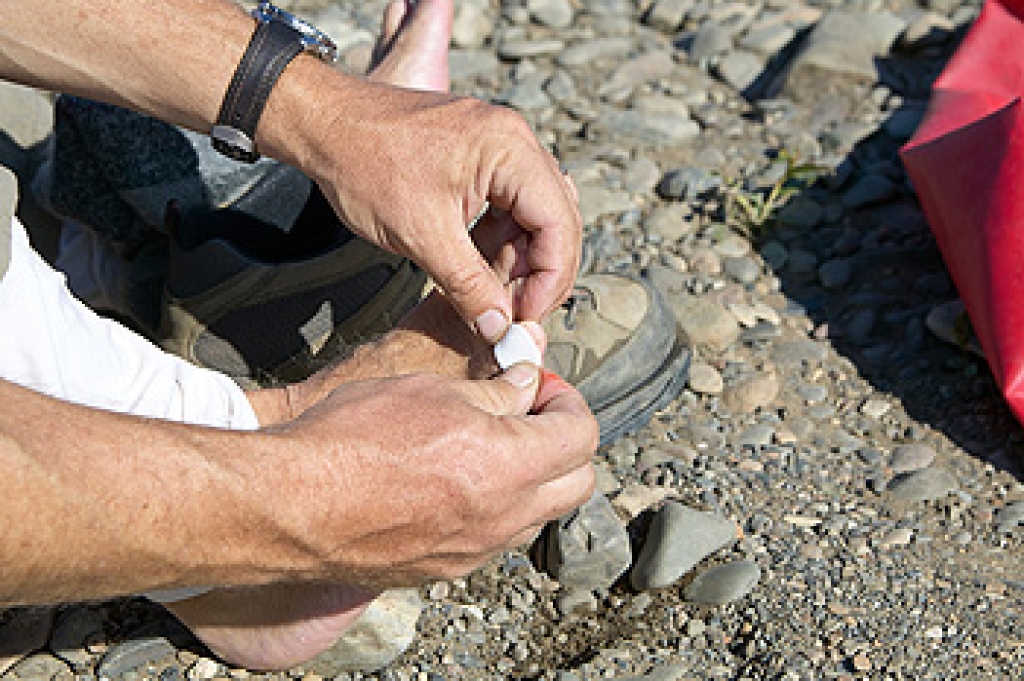
Blisters are a common issue for hikers, often caused by pressure, direct friction, and moisture. When shoes rub against the skin repeatedly during a hike, the friction creates heat, which can cause the skin layers to separate and form a blister. This is especially true if the shoes are too tight or not broken in properly. Moisture from sweat or wet conditions also plays a significant role, softening the skin and making it more prone to damage from friction. To prevent blisters, it is important to wear well-fitting shoes that provide enough room in the toe box and good arch support. Choosing moisture-wicking socks and changing them regularly can help keep feet dry. Additionally, applying blister prevention tape or lubricants to hot spots can reduce friction, keeping feet comfortable and blister-free during hikes. Foot blisters can be uncomfortable, causing patients to temporarily cease hiking. They may also become infected, needing prompt medical attention. If this applies to you, it is suggested that you contact a podiatrist who can treat foot blisters, and guide you on additional prevention techniques.

Blisters may appear as a single bubble or in a cluster. They can cause a lot of pain and may be filled with pus, blood, or watery serum. If your feet are hurting, contact Joseph M. LaCava, DPM of Arkansas. Our doctor can provide the care you need to keep you pain-free and on your feet.

Foot Blisters

Foot blisters are often the result of friction. This happens due to the constant rubbing from shoes, which can lead to pain.

What Are Foot Blisters?

A foot blister is a small fluid-filled pocket that forms on the upper-most layer of the skin. Blisters are filled with clear fluid and can lead to blood drainage or pus if the area becomes infected.

Symptoms

(Blister symptoms may vary depending on what is causing them)

  • Bubble of skin filled with fluid
  • Redness
  • Moderate to severe pain
  • Itching

Prevention & Treatment

In order to prevent blisters, you should be sure to wear comfortable shoes with socks that cushion your feet and absorb sweat. Breaking a blister open may increase your chances of developing an infection. However, if your blister breaks, you should wash the area with soap and water immediately and then apply a bandage to the affected area. If your blisters cause severe pain it is important that you call your podiatrist right away.

If you have any questions, please feel free to contact our office located in Hot Springs, AR . We offer the newest diagnostic and treatment technologies for all your foot care needs.

Read more about Blisters

Let the Expert Treat Your Ingrown Toenails

Ingrown toenails can be painful and can make wearing shoes or walking uncomfortable. Seek professional help if you believe you've developed an ingrown toenail and be treated safely. 

Connect With Us

scroll to top