like us on facebook follow us on twitter follow us on instagram review us on google

Damage to Nerves in the Foot

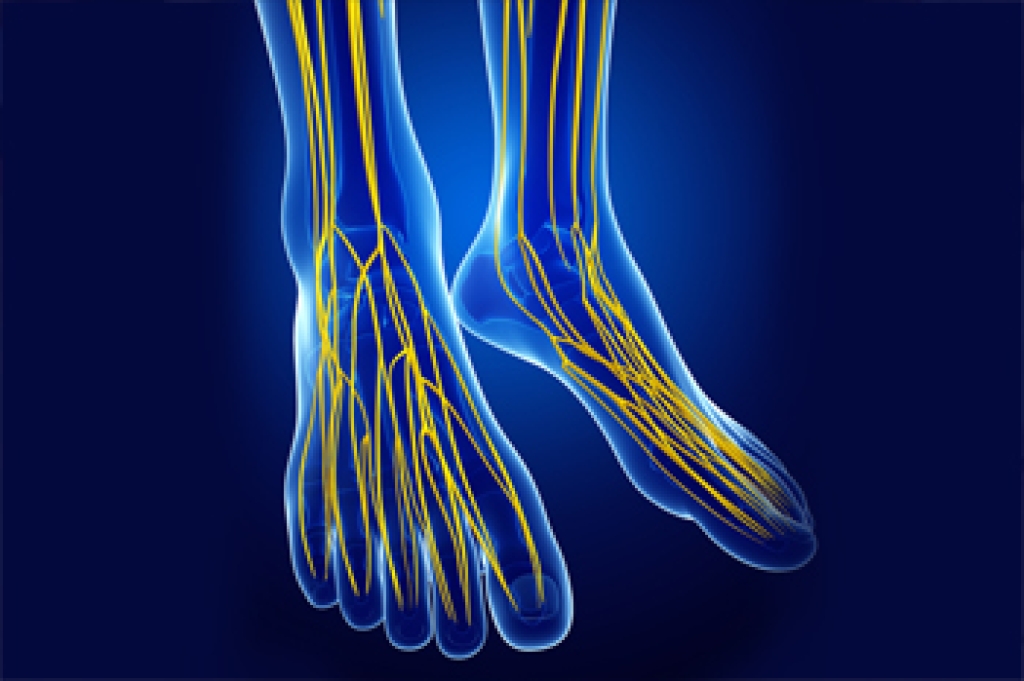
Nerve damage in the foot can cause significant pain, often due to irritation of the nerves between the bones of the toes, known as interdigital nerves. This condition is commonly linked to neuromas, which are benign growths that often develop between the third and fourth toes. Factors contributing to formation of neuromas include wearing tight or non-supportive footwear, thinning of the protective fat pad at the ball of the foot, and structural abnormalities that put additional pressure on the nerves. Nerve pain in the foot starts with mild aching, tingling, or burning in the toes. However, it can progress to a constant burning sensation that makes it difficult to wear closed-toe shoes. A podiatrist can offer relief by recommending proper footwear, prescribing custom orthotics, or administering injections to reduce inflammation and pain. In more severe cases, surgery may be needed to remove the neuroma. This may provide pain relief but may also cause numbness. If you are experiencing nerve pain in your feet, it is suggested that you schedule an appointment with a podiatrist for a treatment plan that works best for you. 

Neuropathy

Neuropathy can be a potentially serious condition, especially if it is left undiagnosed. If you have any concerns that you may be experiencing nerve loss in your feet, consult with Joseph M. LaCava, DPM from Arkansas. Our doctor will assess your condition and provide you with quality foot and ankle treatment for neuropathy.

What Is Neuropathy?

Neuropathy is a condition that leads to damage to the nerves in the body. Peripheral neuropathy, or neuropathy that affects your peripheral nervous system, usually occurs in the feet. Neuropathy can be triggered by a number of different causes. Such causes include diabetes, infections, cancers, disorders, and toxic substances.

Symptoms of Neuropathy Include:

  • Numbness
  • Sensation loss
  • Prickling and tingling sensations
  • Throbbing, freezing, burning pains
  • Muscle weakness

Those with diabetes are at serious risk due to being unable to feel an ulcer on their feet. Diabetics usually also suffer from poor blood circulation. This can lead to the wound not healing, infections occurring, and the limb may have to be amputated.

Treatment

To treat neuropathy in the foot, podiatrists will first diagnose the cause of the neuropathy. Figuring out the underlying cause of the neuropathy will allow the podiatrist to prescribe the best treatment, whether it be caused by diabetes, toxic substance exposure, infection, etc. If the nerve has not died, then it’s possible that sensation may be able to return to the foot.

Pain medication may be issued for pain. Electrical nerve stimulation can be used to stimulate nerves. If the neuropathy is caused from pressure on the nerves, then surgery may be necessary.

If you have any questions, please feel free to contact our office located in Hot Springs, AR . We offer the newest diagnostic and treatment technologies for all your foot care needs.


Read more about Neuropathy

Tips for Improving Your Balance

Improving balance is an important way to reduce the risk of falls, especially as people age. Foot-related issues such as nerve damage, weakened muscles, and joint problems can disrupt balance and increase the risk of injury. Exercises that focus on foot strength and flexibility are helpful in maintaining stability. Finding supportive footwear that fits well can also make a significant difference by providing a stable base. A podiatrist can assess any medical conditions that affect your feet, such as fallen arches or neuropathy. Custom orthotics, certain exercises, or assistive devices can help to improve your balance. Scheduling regular foot check-ups is a good way to detect early signs of issues that might contribute to instability. Making small changes, such as decluttering walkways and ensuring adequate lighting, can reduce hazards at home. If you have fallen and have injured your foot or ankle, or at risk for falling, it is suggested that you schedule an appointment with a podiatrist for an exam and treatment options.

Preventing falls among the elderly is very important. If you are older and have fallen or fear that you are prone to falling, consult with Joseph M. LaCava, DPM from Arkansas. Our doctor will assess your condition and provide you with quality advice and care.

Every 11 seconds, an elderly American is being treated in an emergency room for a fall related injury. Falls are the leading cause of head and hip injuries for those 65 and older. Due to decreases in strength, balance, senses, and lack of awareness, elderly persons are very susceptible to falling. Thankfully, there are a number of things older persons can do to prevent falls.

How to Prevent Falls

Some effective methods that older persons can do to prevent falls include:

  • Enrolling in strength and balance exercise program to increase balance and strength
  • Periodically having your sight and hearing checked
  • Discuss any medications you have with a doctor to see if it increases the risk of falling
  • Clearing the house of falling hazards and installing devices like grab bars and railings
  • Utilizing a walker or cane
  • Wearing shoes that provide good support and cushioning
  • Talking to family members about falling and increasing awareness

Falling can be a traumatic and embarrassing experience for elderly persons; this can make them less willing to leave the house, and less willing to talk to someone about their fears of falling. Doing such things, however, will increase the likelihood of tripping or losing one’s balance. Knowing the causes of falling and how to prevent them is the best way to mitigate the risk of serious injury.  

If you have any questions, please feel free to contact our office located in Hot Springs, AR . We offer the newest diagnostic and treatment technologies for all your foot care needs.
Read more about Falls Prevention

Custom Orthotics For Outdoor Activity

Embrace the great outdoors with confidence and comfort! Whether you're hiking, jogging, or exploring nature, Custom Orthotics are your perfect companion. Tailored to your foot's unique needs, they provide stability on uneven terrains and cushioning for those longer adventures. Don't let foot discomfort limit your outdoor experiences. With Custom Orthotics, every step is supported and secure. Call today to schedule an appointment.

Facts About Cracked Heels

Cracked heels, also known as heel fissures, occur when the skin on the heels becomes dry and thickened, leading to painful splits. Several factors contribute to this condition. Excess weight can put additional pressure on the heels, promoting dryness and leading to cracks. Reduced skin elasticity, often due to aging or lack of moisture, makes the skin less resilient. Wearing inappropriate shoes, such as those lacking adequate support or cushioning, can worsen the problem by failing to protect the heels. Prolonged standing or walking on hard surfaces can also increase the risk of cracked heels, as this puts strain on the skin. Additionally, genetics may play a role in an individual's susceptibility to this condition. Cracked heels can be painful and may cause difficulty in completing daily activities. If you have developed cracked heels, it is strongly suggested that you consult a podiatrist who can successfully treat this problem, which may include prescribed medication.

Cracked heels are unsightly and can cause further damage to your shoes and feet. If you have any concerns, contact Joseph M. LaCava, DPM from Arkansas. Our doctor can provide the care you need to keep you pain-free and on your feet.

Cracked Heels

Cracked heels appear unappealing and can make it harder for you walk around in sandals. Aside from looking unpleasant, cracked heels can also tear stockings, socks, and wear out your shoes. There are several methods to help restore a cracked heel and prevent further damage.

How Do You Get Them?

Dry skin is the number one culprit in creating cracked heels. Many athletes, walkers, joggers, and even swimmers suffer from cracked heels. Age and skin oil production play a role to getting cracked heels as well.

Promote Healing

Over the counter medicines can help, especially for those that need instant relief or who suffer from chronic dry feet.

Wear Socks – Wearing socks with medicated creams helps lock in moisture.

Moisturizers – Applying both day and night will help alleviate dryness which causes cracking.

Pumice Stones – These exfoliate and remove dead skin, which allows for smoother moisturizer application and better absorption into the skin. 

Change in Diet

Eating healthy with a well-balanced diet will give the skin a fresh and radiant look. Your body responds to the kinds of food you ingest. Omega-3 fatty acids and zinc supplements can also revitalize skin tissue.

Most importantly, seek professional help if unsure how to proceed in treating cracked heels. A podiatrist will help you with any questions or information needed. 

If you have any questions, please feel free to contact our office located in Hot Springs, AR . We offer the newest diagnostic and treatment technologies for all your foot care needs.

Read more about Solutions for Cracked Heels

Wounds That Don't Heal Need to Be Checked

Your feet are covered most of the day. If you're diabetic, periodic screening is important for good health. Numbness is often a sign of diabetic foot and can mask a sore or wound.

What Are Custom-Made Foot Orthotics?

Custom-made foot orthotics are specialized insoles tailored to an individual’s unique foot structure and specific needs. These devices provide essential support and alignment, helping to alleviate discomfort caused by various foot conditions. Common issues treated with custom orthotics include bunions, which can cause pain and misalignment, and bursitis, an inflammation that leads to swelling and tenderness in the feet. Individuals with diabetes can also benefit, as custom orthotics help prevent complications by improving circulation and reducing pressure points. Additionally, those with flat feet often experience pain and instability, which orthotics can address by providing the necessary arch support. By promoting proper foot function and reducing strain on affected areas, custom-made foot orthotics play a critical role in enhancing mobility, comfort, and overall foot health. If you have specific conditions that would benefit from wearing custom-made orthotics, it is suggested that you consult a podiatrist who can determine which type is right for you.

Custom orthotics are specialized shoe inserts created to support and align the feet according to each person’s unique structure and walking pattern. They are an effective way to relieve foot discomfort caused by conditions such as flat feet, high arches, plantar fasciitis, bunions, and heel pain. When the natural alignment of the foot is off balance, it can lead to pressure points, strain, and pain that affect how a person stands, walks, and moves. Orthotics work by redistributing weight evenly and supporting the arch to reduce stress on the muscles, tendons, and joints of the feet and lower legs.

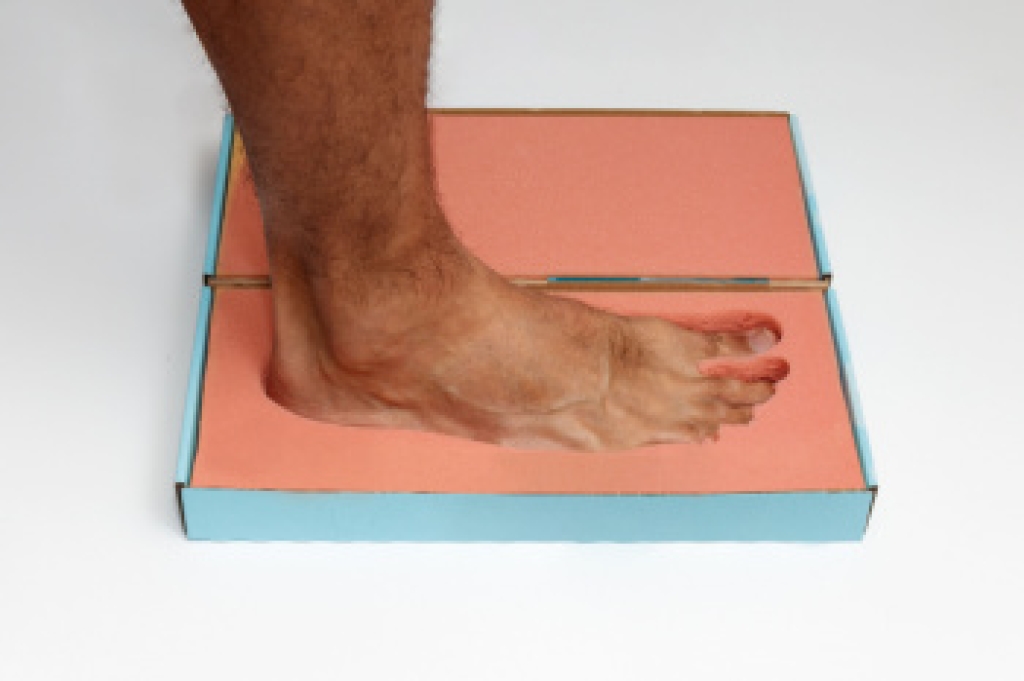
Foot discomfort can develop for many reasons, including wearing improper footwear, long hours of standing, repetitive motion, or underlying structural problems. Over time, this discomfort can extend beyond the feet, contributing to knee, hip, or lower back pain. Custom orthotics help correct these issues by improving alignment and promoting more efficient movement. They are made using precise measurements and imaging to ensure the best fit for each patient, providing targeted support and cushioning where it is needed most.

Unlike generic insoles, custom orthotics are durable, medically designed, and tailored to your specific needs. Whether you are managing chronic pain, recovering from an injury, or simply seeking better comfort and stability, orthotics can make a noticeable difference in how your feet feel throughout the day.

If you are experiencing persistent foot discomfort or fatigue, it may be time to have your feet evaluated by a podiatrist. Call our office today for more information or to schedule an appointment.

If you have any questions, please feel free to contact our office located in Hot Springs, AR . 

Read more about Investing in Custom Orthotics Means Investing in Foot Health

Pros and Cons of Laser Toenail Fungus Removal

Toenail laser treatment has gained popularity as a treatment for toenail fungal infections, offering a modern alternative to traditional methods. One significant advantage is its effectiveness, as lasers target infected tissue without harming surrounding areas, often resulting in quicker recovery times and minimal discomfort. Additionally, this procedure requires no anesthesia and can be completed in a short session, making it convenient for patients. However, there are also drawbacks to consider. The cost of laser treatment can be higher than conventional options, and multiple sessions may be necessary for optimal results. Furthermore, while the procedure is generally safe, some individuals may experience temporary side effects such as redness or swelling. If you have toenail fungus, it is suggested that you consult a podiatrist who can determine if laser treatment is right for you.

Laser treatment can be an effective way to get rid of toenail fungus. If you have any questions about laser treatment, consult with Joseph M. LaCava, DPM from Arkansas. Our doctor will assess your condition and provide you with quality treatment for fungal nails.

What Are Toenail Fungal Infections?

Onychomycosis, or fungal infection of the nail, is a relatively common and non-serious condition. Around 10 percent of U.S. citizens are afflicted with fungal nails. Common forms of fungus that infect the nail include dermatophytes, yeasts, and molds.

Symptoms of Toenail Fungal Infections Include:

  • Nail thickening
  • Brittleness of the nail
  • Discoloration of the nail

Diagnosis for Fungal Nails

Fungal infections are diagnosed by fungal culture and microscopy. This will rule out any other conditions such as nail trauma, psoriasis, lichen planus, and onychogryphosis.

What Is Laser Treatment?

Laser treatment is a non-invasive, safe, quick, and painless procedure that uses the heat from a laser to kill fungus in the nail. Each infected nail is targeted with a laser for several minutes. The treatment is usually utilized several different times over a select period. During this time, a podiatrist will keep an eye on the infection.

If you have any questions, please feel free to contact our office located in Hot Springs, AR . We offer the newest diagnostic and treatment technologies for all your foot care needs.
Read more about Laser Treatment for Fungal Nails

Causes of Pinched Nerves in the Feet

A pinched nerve in the foot occurs when surrounding tissues, such as bones, muscles, or tendons, apply too much pressure on a nerve. This can lead to symptoms like sharp pain, numbness, tingling, or even muscle weakness. Common causes of pinched nerves in the foot include injury, repetitive motions, or structural issues like bone spurs or ganglion cysts. Certain conditions, like tarsal tunnel syndrome or high arches, can compress the nerves in the foot. Wearing improper footwear like tight or high-heeled shoes and carrying extra weight can also contribute to nerve compression in the feet. A podiatrist can determine the cause of your foot pain and recommend treatment, which can include footwear modifications or custom orthotics. If you have unexplained sharp foot pain, it is suggested that you schedule an appointment with a podiatrist to find out if you have a pinched nerve.

Foot Pain

Foot pain can be extremely painful and debilitating. If you have a foot pain, consult with Joseph M. LaCava, DPM from Arkansas. Our doctor will assess your condition and provide you with quality foot and ankle treatment.

Causes

Foot pain is a very broad condition that could be caused by one or more ailments. The most common include:

  • Bunions
  • Hammertoes
  • Plantar Fasciitis
  • Bone Spurs
  • Corns
  • Tarsal Tunnel Syndrome
  • Ingrown Toenails
  • Arthritis (such as Gout, Rheumatoid, and Osteoarthritis)
  • Flat Feet
  • Injury (from stress fractures, broken toe, foot, ankle, Achilles tendon ruptures, and sprains)
  • And more

Diagnosis

To figure out the cause of foot pain, podiatrists utilize several different methods. This can range from simple visual inspections and sensation tests to X-rays and MRI scans. Prior medical history, family medical history, and any recent physical traumatic events will all be taken into consideration for a proper diagnosis.

Treatment

Treatment depends upon the cause of the foot pain. Whether it is resting, staying off the foot, or having surgery; podiatrists have a number of treatment options available for foot pain.

If you have any questions, please feel free to contact our office located in Hot Springs, AR . We offer the newest diagnostic and treatment technologies for all your foot care needs.
Read more about Foot Pain

Connect With Us

scroll to top